⚡ Key Takeaways
- ✅ The cheapest healthy family meals usually start with beans, lentils, eggs, oats, rice, pasta, potatoes, frozen vegetables, and seasonal produce.
- ✅ A nutritious dinner for four can often be cooked for roughly $5 to $10, depending on location, store, and pantry staples.
- ✅ Meat does not need to disappear, but it works best as a flavoring or accent rather than the centerpiece.
- ✅ Frozen and canned foods can be just as useful as fresh foods, provided you watch sodium and added sugar.
- ✅ The best budget meals are flexible: soups, stir-fries, grain bowls, frittatas, tacos, and one-pot pastas.
- ✅ Planning around “cook once, eat twice” saves both money and sanity.
- ✅ Healthy budget cooking is less about deprivation and more about strategy, seasoning, and using humble ingredients well.
There is a certain comedy in the modern grocery aisle. A box of sugary cereal can cost more than a sack of potatoes. A “wellness” snack bar, wrapped in packaging that looks like it meditates, may cost as much as a pot of soup that could feed four actual humans. Eating well on a tight budget is not impossible, but it does require ignoring some of the theater around health food. 🛒
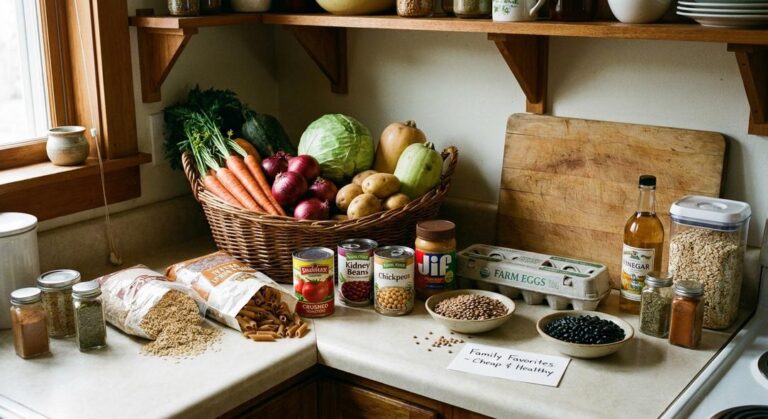
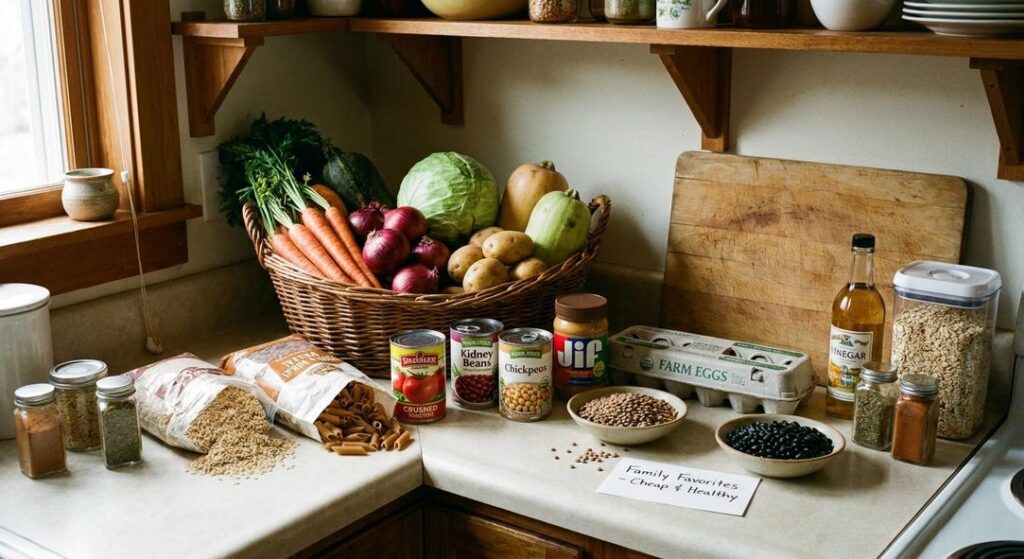
The cheapest healthy meals for a family of four are not usually found in glossy meal kits or influencer fridge tours. They live in the reliable corner of the pantry: lentils, rice, oats, beans, eggs, canned tomatoes, frozen spinach, carrots, onions, pasta, cabbage, tortillas, and peanut butter. They are not glamorous, but neither is paying twelve dollars for a smoothie in a plastic cup.
Healthy budget cooking is a practical art. It asks: What gives the most nutrition, fullness, and pleasure for the least money? The answer is rarely a single recipe. It is a pattern: combine a low-cost starch, an affordable protein, vegetables, and enough flavor to keep dinner from tasting like a committee meeting.
The Real Formula for Cheap Healthy Meals 🍲
When people ask for the cheapest healthy meals, they often expect a list of recipes. Recipes help, of course, but the deeper secret is a formula. Once you understand the formula, you can cook with whatever is on sale, whatever is already in the cupboard, and whatever your children have not mysteriously decided to hate this week.
A balanced budget meal usually has four parts:
- A filling base: rice, pasta, potatoes, oats, tortillas, barley, couscous, or whole-grain bread.
- A protein: beans, lentils, eggs, canned tuna, chicken thighs, tofu, yogurt, cottage cheese, or peanut butter.
- Vegetables or fruit: frozen mixed vegetables, carrots, cabbage, onions, canned tomatoes, apples, bananas, spinach, peas, or seasonal produce.
- Flavor: garlic, spices, soy sauce, vinegar, lemon juice, salsa, mustard, herbs, stock cubes, chili flakes, or a little cheese.
This is not fussy nutrition. It is common sense with a measuring cup. A meal does not need chia seeds and imported seaweed to be healthy. It needs fiber, protein, vitamins, minerals, and enough satisfaction that nobody is rummaging through the cabinets thirty minutes later.
The best budget meals are not the cheapest meals at the cash register; they are the cheapest meals that actually keep people nourished, full, and willing to eat them again.
For a family of four, a good target is a dinner that costs about $1.25 to $2.50 per person. Prices vary wildly by region, but that range is realistic if you rely on pantry staples, shop sales, and reduce waste. The quiet villain of the family food budget is not always the expensive steak. Often, it is the forgotten lettuce liquefying in the back of the refrigerator.
The Cheapest Healthy Ingredients to Build Around 🫘
If money is tight, your shopping list should work like a small construction crew: every item needs a job. Some ingredients are especially good at this. They are cheap, nutritious, versatile, and forgiving if your schedule collapses at 5:37 p.m.
- Lentils: Fast-cooking, rich in protein and fiber, and excellent in soups, curries, tacos, and pasta sauce.
- Beans: Black beans, pinto beans, chickpeas, and kidney beans can anchor burritos, stews, salads, and rice bowls.
- Eggs: Usually one of the cheapest animal proteins, useful for frittatas, fried rice, breakfast-for-dinner, and egg salad.
- Oats: A breakfast hero, but also useful in meatloaf, veggie burgers, and baked oatmeal.
- Rice: Inexpensive, shelf-stable, and excellent for stretching stews, stir-fries, beans, and curries.
- Potatoes and sweet potatoes: Filling, rich in potassium, and often cheaper than processed side dishes.
- Frozen vegetables: No washing, chopping, or guilt. They wait patiently until needed.
- Cabbage: The marathon runner of vegetables. Cheap, crisp, nutritious, and nearly immortal in the fridge.
- Canned tomatoes: The backbone of soups, chili, shakshuka, pasta sauce, and stews.
- Peanut butter: Dense, affordable, and useful for breakfast, sauces, snacks, and sandwiches.
The trick is to buy these items in forms that match your real life. Dried beans are cheaper than canned beans, but canned beans are still an excellent choice if they prevent you from ordering takeout. Brown rice has more fiber than white rice, but white rice cooks faster and may be more acceptable to picky eaters. Health is not a purity contest. It is a habit you can repeat.
Ten Cheap Healthy Meals for a Family of Four 🍽️
Here are ten dependable meals that are nutritious, low-cost, and realistic on a weeknight. The estimated costs assume you already have basic seasonings and cooking oil. They are not universal prices, but they offer a useful starting point.
- Lentil soup with carrots and tomatoes: Simmer lentils with onion, carrots, canned tomatoes, garlic, and broth. Serve with toast or rice. Estimated cost: $5 to $7.
- Bean and rice burrito bowls: Combine rice, black beans, corn, salsa, shredded cabbage, and a sprinkle of cheese or yogurt. Estimated cost: $6 to $9.
- Vegetable fried rice with eggs: Use leftover rice, frozen peas and carrots, eggs, soy sauce, and a little onion. Estimated cost: $5 to $8.
- Chickpea curry: Simmer chickpeas with canned tomatoes, onion, curry powder, and frozen spinach. Serve over rice. Estimated cost: $6 to $9.
- Pasta with lentil tomato sauce: Add cooked lentils to marinara or canned tomatoes with Italian seasoning. Serve with a simple cabbage or carrot salad. Estimated cost: $6 to $10.
- Baked potato bar: Bake potatoes and top with beans, broccoli, yogurt, cheese, salsa, or leftover chili. Estimated cost: $5 to $9.
- Egg and vegetable frittata: Bake eggs with potatoes, onions, frozen spinach, and a small amount of cheese. Serve with toast. Estimated cost: $6 to $10.
- Turkey or bean chili: Use beans, tomatoes, onion, spices, and either ground turkey or extra beans. Serve with rice or cornbread. Estimated cost: $8 to $12.
- Peanut noodles with vegetables: Toss pasta or noodles with peanut butter, soy sauce, vinegar, garlic, and frozen vegetables. Estimated cost: $6 to $9.
- Oatmeal dinner pancakes: Blend oats, eggs, banana, and milk into pancakes; serve with fruit and yogurt. Breakfast-for-dinner remains a civilized institution. Estimated cost: $5 to $8.
Notice the rhythm: starch plus protein plus plants plus sauce. This is how most of the world has eaten affordably for centuries. Rice and beans, lentils and flatbread, potatoes and eggs, noodles and vegetables — these are not fallback meals. They are the backbone of everyday cooking.
A cheap meal becomes a healthy meal when it includes fiber, protein, and color. A cheap meal becomes a family favorite when it also includes a good sauce.
The One-Pot Winners: Soup, Chili, Curry, and Stew 🥘
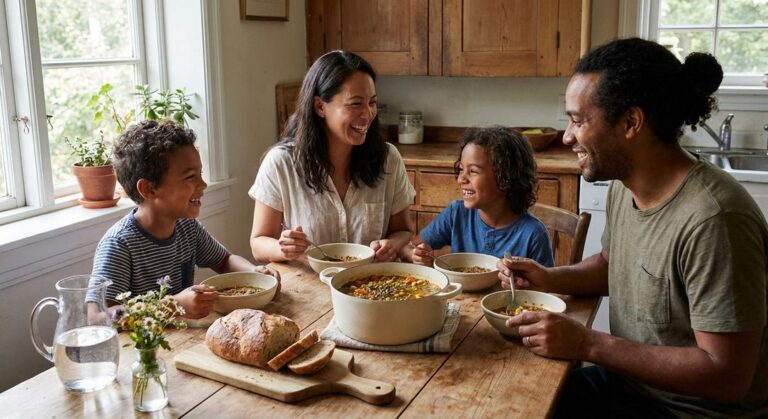
If the family budget had a patron saint, it would probably be a soup pot. One-pot meals are cheap because they stretch ingredients, welcome leftovers, and make even small amounts of meat or cheese feel generous. They are also forgiving. A carrot past its prime can still become soup. A half-cup of rice can thicken a stew. A lonely zucchini can find purpose.
The healthiest one-pot meals often begin with what cooks call aromatics: onion, garlic, carrot, and celery. These ingredients are inexpensive and create flavor before anything fancy happens. Then come legumes, tomatoes, broth, spices, and whatever vegetables are available.
A basic lentil soup for four can be made with:
- 1 to 1½ cups dry lentils
- 1 onion, chopped
- 2 carrots, chopped
- 1 can diced tomatoes
- 4 to 6 cups broth or water with a stock cube
- Garlic, cumin, paprika, thyme, or curry powder
- A splash of vinegar or lemon juice at the end
That final splash of acid is not decorative. It wakes up the pot. Many cheap meals taste flat not because they lack expensive ingredients, but because they lack contrast: salt, acid, heat, herbs, crunch. A squeeze of lemon or a spoonful of vinegar can make lentils taste less like punishment and more like dinner.
Chili follows the same principle. Beans, tomatoes, onion, chili powder, and a little ground meat if you have it. If you do not, add extra beans, lentils, corn, or chopped mushrooms. Serve it over rice, baked potatoes, or whole-grain toast, and suddenly the pot feeds more people without feeling stretched thin.
Meat on a Budget: Use It Like a Seasoning 🍗
Meat is often the priciest part of dinner. That does not mean a healthy budget requires vegetarianism, though many of the cheapest meals are naturally plant-forward. The better strategy is to stop treating meat as the lead actor every night and start treating it as part of the ensemble.
A pound of ground turkey, chicken, or beef may not feed four generously as burgers. But the same pound can help make a large pot of chili, a skillet of taco filling with beans, a pasta sauce enriched with lentils, or fried rice loaded with vegetables. Chicken thighs are often cheaper and more flavorful than boneless breasts. Canned tuna or salmon, when affordable, can turn pasta, rice, or potatoes into a protein-rich meal.
Here are practical ways to make meat go further:
- Mix ground meat with lentils, beans, oats, grated carrots, or mushrooms.
- Use shredded chicken in soup, tacos, casseroles, or rice bowls rather than serving whole pieces.
- Save bones or carcasses for broth if you roast a chicken.
- Buy family packs only if you can freeze portions immediately.
- Choose strong flavors, such as sausage or smoked turkey, in small amounts to season beans or greens.
This is not trickery. It is how many traditional cuisines build flavor: a little cured meat with beans, a little fish sauce in vegetables, a small amount of chicken in a large pot of rice. The result can be healthier too, because the plate has more plants and fiber without losing savory satisfaction.
Breakfast and Lunch: Where the Budget Is Won or Lost 🥣
Dinner gets the attention, but breakfast and lunch are where household food spending often leaks. Convenience foods multiply quietly: individual yogurts, granola bars, packaged muffins, frozen breakfast sandwiches, deli meats, juice boxes. None is villainous in isolation. Together, they can turn a grocery bill into a minor weather event.
Cheap healthy breakfasts for a family of four include oatmeal, eggs and toast, yogurt with fruit, peanut butter banana toast, or homemade breakfast burritos. Oats deserve special mention because they are inexpensive, filling, and quick. If plain oatmeal causes mutiny, add cinnamon, sliced banana, peanut butter, raisins, apples, or a spoonful of jam.
Lunch is easiest when it is built from planned leftovers. Cook extra rice for fried rice. Make extra chili for baked potatoes. Roast extra vegetables for wraps. Turn leftover chicken into soup. This is not glamorous, but neither is discovering at noon that lunch will cost $42 because everyone is “just grabbing something.”
Affordable lunch ideas include:
- Bean and cheese quesadillas with salsa and cabbage slaw
- Egg salad sandwiches with carrot sticks
- Leftover soup in a thermos
- Rice bowls with beans, vegetables, and sauce
- Peanut butter and banana sandwiches with apples
- Tuna pasta salad with peas and chopped celery
- Hummus wraps with shredded carrots and cucumber
The goal is not perfection. Some days, lunch is a banana, crackers, and cheese eaten in a moving car while someone searches for a missing soccer cleat. But a few repeatable meals can prevent the emergency spending that wrecks a budget.
Frozen, Canned, and Store-Brand: The Unsung Heroes 🧊
Fresh produce has excellent public relations. It photographs well. It looks virtuous in a basket. But frozen and canned foods are often better allies for a busy family trying to eat well cheaply.
Frozen vegetables are picked and frozen quickly, which helps preserve nutrients. They are already chopped, they do not spoil in three days, and they can be tossed into soups, stir-fries, pasta, eggs, and casseroles. Frozen spinach, peas, corn, broccoli, green beans, and mixed vegetables are especially useful.
Canned foods can also be healthy budget staples. Beans, tomatoes, pumpkin, tuna, sardines, corn, and fruit packed in juice can all earn a place in the pantry. Look for low-sodium beans when possible, or rinse regular canned beans under water to reduce sodium. Choose fruit packed in juice rather than syrup if the price allows.
Store brands are another quiet victory. In many cases, store-brand oats, rice, beans, pasta, canned tomatoes, milk, yogurt, and frozen vegetables are comparable to name brands at a lower price. The label may be less charming, but dinner will survive.
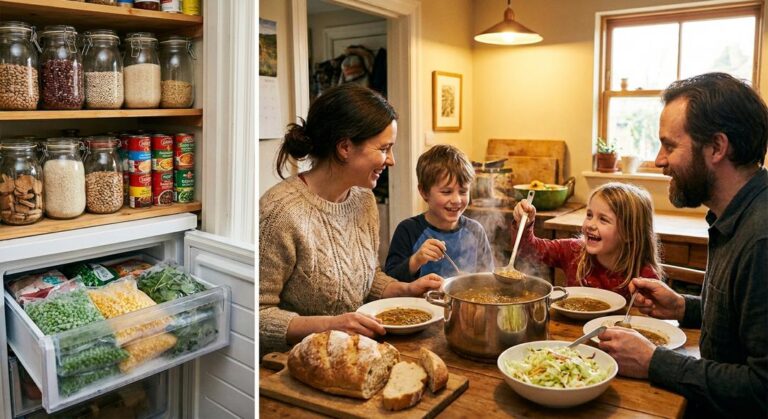
A freezer stocked with vegetables is not a compromise. It is insurance against waste, takeout, and the tyranny of chopping onions when everyone is already hungry.
A Simple Weekly Meal Plan for Four 💡
A good meal plan is not a prison sentence. It is a loose map, preferably one with alternate routes. The best budget plans reuse ingredients in different ways so dinner does not feel like a week-long hostage negotiation with the same pot of beans.
Here is a practical five-dinner plan built around inexpensive staples:
- Monday: Lentil tomato soup with toast and apples.
- Tuesday: Bean and rice burrito bowls with cabbage, salsa, and yogurt.
- Wednesday: Vegetable fried rice with eggs using leftover rice.
- Thursday: Baked potatoes topped with leftover beans, broccoli, and cheese.
- Friday: Peanut noodles with frozen vegetables and cucumber or carrot sticks.
This kind of plan works because ingredients overlap. Rice appears twice. Beans appear twice. Cabbage can become slaw, taco topping, or stir-fry. Eggs rescue leftovers. Frozen vegetables fill the gaps. Nothing sits around waiting to become compost.
If you can, do one small prep session after shopping: cook a pot of rice, wash or chop sturdy vegetables, boil a few eggs, and portion meat for the freezer. Thirty minutes of prep can save several weeknights from becoming cereal-for-dinner affairs. Though, to be fair, cereal-for-dinner has served many noble families in times of crisis.
How to Make Cheap Meals Taste Expensive 🌶️
Budget cooking rises or falls on flavor. A bowl of beans can taste rustic and satisfying, or it can taste like a financial lecture. The difference is usually seasoning, texture, and finishing touches.
Keep a small flavor arsenal if your budget allows:
- Acid: vinegar, lemon juice, lime juice, or pickle brine.
- Heat: chili flakes, hot sauce, cayenne, or jalapeños.
- Umami: soy sauce, tomato paste, mushrooms, parmesan, nutritional yeast, or Worcestershire sauce.
- Freshness: cilantro, parsley, green onions, or even finely chopped celery leaves.
- Creaminess: yogurt, peanut butter, tahini, mashed beans, or a little cheese.
- Crunch: toasted breadcrumbs, cabbage, seeds, roasted chickpeas, or crushed tortilla chips.
You do not need all of these. Start with two or three. A pot of black beans with cumin, garlic, lime, and a spoonful of yogurt is a completely different experience from plain beans. Peanut butter, soy sauce, vinegar, and garlic can turn noodles and frozen vegetables into a dinner people request again.
Also, salt matters. Public health advice rightly warns against excess sodium, especially from processed foods. But home-cooked beans, lentils, vegetables, and grains need seasoning. If food tastes dull, families often compensate with chips, sauces, or takeout. Seasoning home-cooked food properly can make healthy eating more sustainable.
The Bottom Line: Cheap, Healthy, and Actually Edible ✅
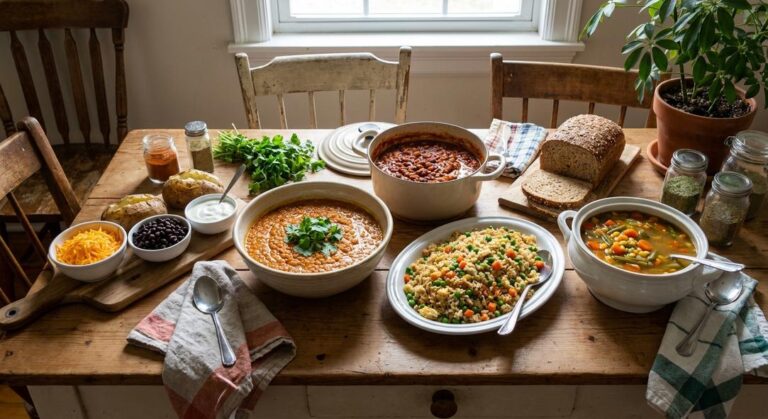
The cheapest healthy meals for a family of four are built from ordinary ingredients used intelligently. Lentil soup. Bean burrito bowls. Fried rice with eggs. Chickpea curry. Pasta with lentil sauce. Baked potatoes with toppings. Frittatas. Chili. Peanut noodles. Oatmeal pancakes. These meals are humble, but humility is underrated. It feeds people.
The broader lesson is that healthy eating on a budget is not about buying the trendiest “clean” products. It is about cooking with foods that humans have relied on for generations: grains, legumes, vegetables, eggs, seasonal fruit, and small amounts of flavorful extras. It is about planning enough to reduce waste, but not so much that life has no room for chaos. It is about knowing that frozen peas are your friend.
There will always be nights when dinner is imperfect. That is fine. Family food does not need to look like a magazine spread. It needs to nourish the people at the table, respect the money available, and leave just enough leftovers for tomorrow’s lunch. If it does that, it has performed a small domestic miracle.
FAQ
What is the cheapest healthy dinner for a family of four?
One of the cheapest healthy dinners is lentil soup with carrots, onion, canned tomatoes, and rice or toast. It is filling, high in fiber and protein, and can often be made for around $5 to $7, depending on local prices.
Are canned and frozen vegetables healthy?
Yes. Frozen vegetables are often very nutritious and can be more practical than fresh because they do not spoil quickly. Canned vegetables can also be healthy, especially if you choose low-sodium options or rinse them before using.
How can I feed a family of four with little money?
Build meals around low-cost staples such as rice, beans, lentils, oats, potatoes, eggs, pasta, frozen vegetables, and seasonal produce. Plan meals that reuse ingredients, cook larger batches, and use leftovers for lunches.
Is it cheaper to cook vegetarian meals?
Often, yes. Beans, lentils, eggs, tofu, and peanut butter are usually cheaper protein sources than meat. You do not have to eliminate meat entirely, but using it in smaller amounts can significantly reduce meal costs.
What should I keep in the pantry for cheap healthy meals?
Good pantry staples include rice, pasta, oats, lentils, canned beans, canned tomatoes, peanut butter, tuna, broth cubes, spices, vinegar, and oil. With frozen vegetables and eggs added, you can make many fast, inexpensive meals.