⚡ Key Takeaways
- ✅ The cheapest healthy family meals usually rely on beans, lentils, eggs, oats, rice, pasta, frozen vegetables, and seasonal produce.
- ✅ A nutritious dinner for four can often be cooked for $5 to $10, depending on local prices and pantry staples.
- ✅ Lentil soup, bean chili, vegetable fried rice, baked potatoes, and pasta with vegetables are among the best budget meals.
- ✅ Frozen vegetables are often just as nutritious as fresh ones, with less waste and a lower price.
- ✅ Meat can be used as a flavoring rather than the centerpiece, stretching protein and lowering costs.
- ✅ Batch cooking and planned leftovers are the quiet heroes of healthy family budgeting.
- ✅ The real trick is not chasing perfection, but building a rotation of cheap, filling meals people actually want to eat.
Feeding a family of four has become a small act of financial gymnastics. You stand in the grocery aisle, holding a bag of apples in one hand and a calculator in the other, wondering when a humble dinner began to require the strategic planning of a moon landing. Yet the idea that healthy food must be expensive is only partly true. Yes, a cart full of organic berries, wild salmon, imported olive oil, and artisanal crackers will make your bank account whimper. But health does not live exclusively in the refrigerated glow of premium grocery shelves.
The cheapest healthy meals are usually old-fashioned, unglamorous, and deeply sensible: beans simmered with onions, lentils turned into soup, eggs folded into rice, oats cooked into breakfast, potatoes baked until fluffy, pasta tossed with vegetables, and cabbage doing what cabbage has done for centuries—keeping people alive for pennies. 🥔
This is not about misery cooking. Nobody needs another sermon about eating boiled lentils while pretending joy is optional. The goal is to cook meals that are inexpensive, nutritious, and welcome at the table by actual human beings, including children who may treat visible onions as a personal insult.
Prices vary wildly by region, season, and store, so the meal costs here are best understood as ballpark estimates. Still, the principles travel well: buy inexpensive staples, add vegetables, use protein wisely, reduce waste, and cook in ways that make tomorrow’s lunch easier.
What Makes a Meal Cheap, Healthy, and Family-Friendly? 🍽️
A cheap healthy meal must do three jobs at once. It needs to be affordable, of course, but it also has to provide enough energy and nutrients to keep everyone from raiding the cereal box an hour later. And perhaps most importantly, it has to taste good enough that you do not feel punished for being financially responsible.
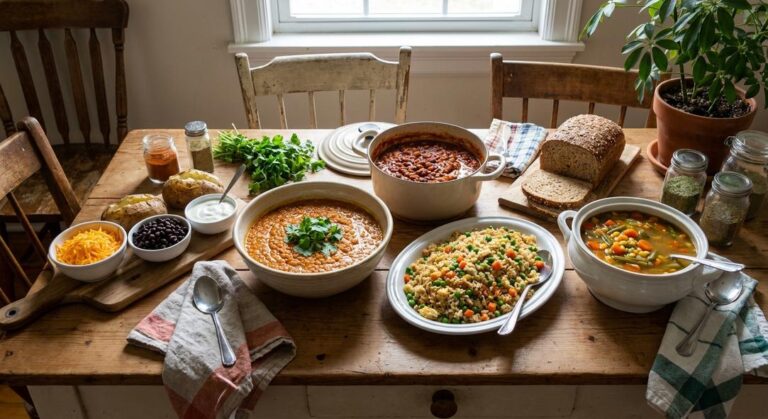
For a family of four, the most reliable budget formula looks like this: a low-cost carbohydrate, an affordable protein, vegetables, and flavor. This could be rice, beans, carrots, and spices. Or pasta, chickpeas, spinach, and garlic. Or potatoes, eggs, cabbage, and a little cheese. The shape changes, but the logic remains.
- Cheap carbohydrates: rice, oats, potatoes, pasta, tortillas, bread, barley, couscous, and cornmeal.
- Affordable proteins: beans, lentils, eggs, peanut butter, canned tuna, chickpeas, tofu, yogurt, and occasional chicken thighs.
- Budget vegetables: carrots, onions, cabbage, frozen peas, frozen spinach, canned tomatoes, sweet potatoes, seasonal greens, and broccoli when on sale.
- Flavor builders: garlic, bouillon, soy sauce, vinegar, mustard, curry powder, cumin, paprika, hot sauce, herbs, and a little cheese.
The cheapest meals are not necessarily the ones with the fewest ingredients. A pot of soup with eight inexpensive ingredients can be cheaper and more nourishing than four frozen dinners with a short ingredient list and a long receipt.
The smartest budget meals are built around ingredients that are inexpensive per serving, not necessarily inexpensive per package.
The Pantry Staples That Do the Heavy Lifting 🛒
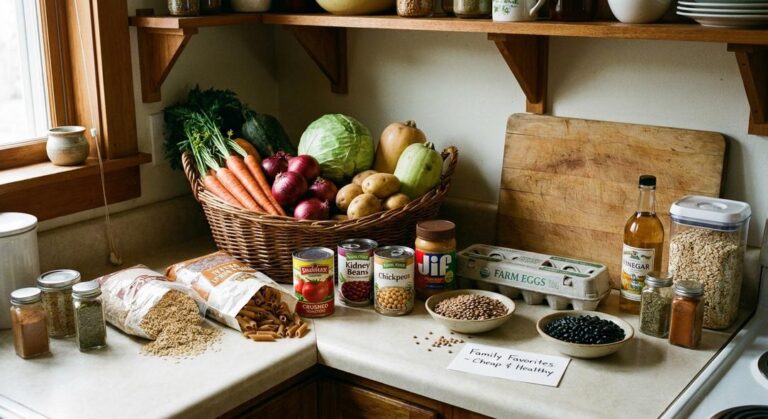
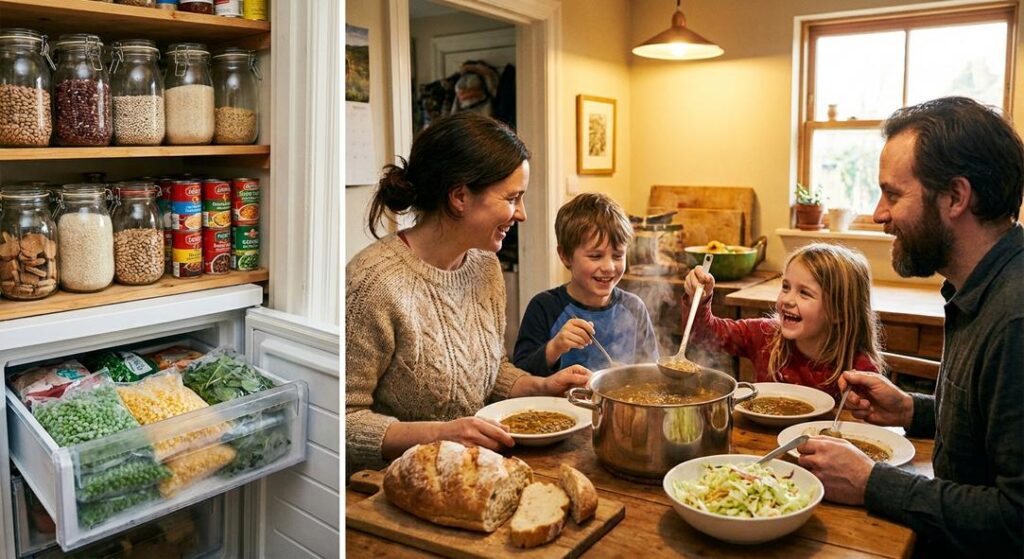
If you want to cook cheaply, the pantry is your first line of defense. It is the part of the kitchen that does not panic when payday is still three days away. A well-stocked budget pantry lets you turn a lonely onion and a can of tomatoes into dinner with a little confidence and theatrical stirring.
The best pantry staples are affordable, versatile, and long-lasting. They should be able to appear in breakfast one day and dinner the next without causing a household rebellion.
- Dry lentils: Fast-cooking, high in protein and fiber, and often cheaper than canned beans.
- Rice: Brown rice offers more fiber, while white rice is usually cheaper and cooks faster. Both have a place.
- Oats: A breakfast champion, but also useful in meatloaf, veggie burgers, and baked goods.
- Pasta: Not glamorous, but excellent for quick family meals when paired with vegetables and beans.
- Canned tomatoes: The backbone of chili, soups, stews, pasta sauces, and curries.
- Beans: Canned beans are convenient; dry beans are cheaper if you have time to soak and cook them.
- Peanut butter: Dense, filling, and surprisingly useful in sauces, oatmeal, and snacks.
- Frozen vegetables: Often cheaper than fresh, already washed, and almost impossible to waste.
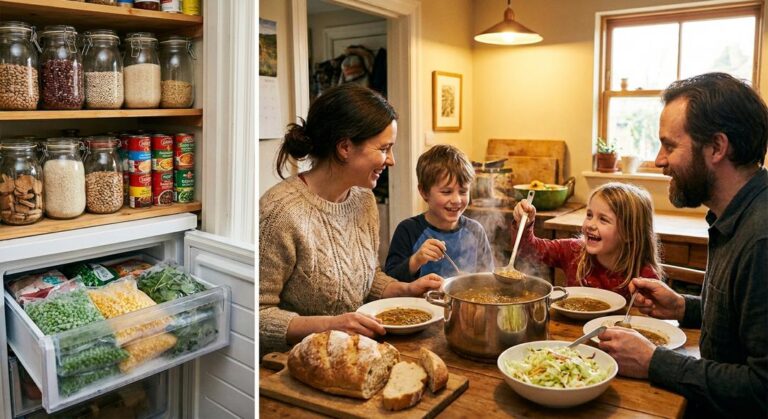
The freezer, too, deserves its moment. Frozen peas, spinach, mixed vegetables, and broccoli are not culinary compromises. They are vegetables paused at their practical best. They sit patiently until you need them, unlike fresh spinach, which enters the refrigerator with the confidence of a celebrity and exits three days later as compost.
1. Lentil Soup: The Quiet Genius of Budget Cooking 🍲
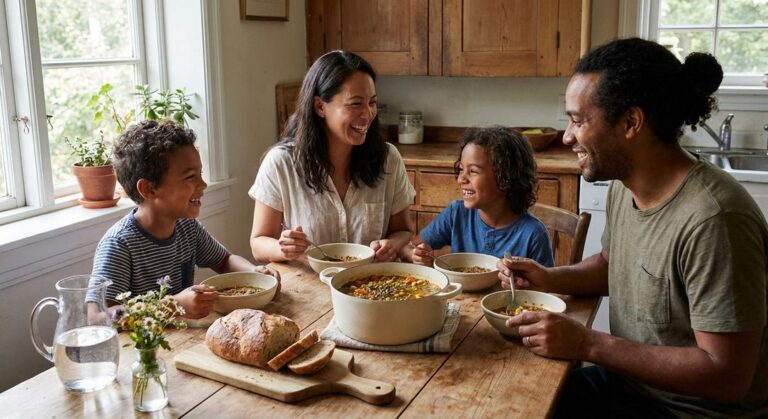
If there were a Nobel Prize for economical nourishment, lentil soup would at least make the shortlist. Lentils are cheap, cook quickly, require no soaking, and provide protein, fiber, iron, and a satisfying earthy flavor. A big pot can feed four people generously and often leave enough for lunch.
A basic lentil soup can be made with lentils, onion, carrots, celery if you have it, canned tomatoes, broth or bouillon, and spices. Add a potato or a handful of rice if you want it heartier. Finish with vinegar or lemon juice if available; acidity wakes the whole pot up like opening curtains in a stuffy room.
Estimated cost for four servings: about $5 to $8, depending on vegetables and pantry staples.
To make it more filling, serve it with toast, rice, or a simple cabbage salad. If your family is suspicious of soup, blend part of it to create a thicker texture. This trick gives the soup body without cream, and it makes the whole thing feel more deliberate, less “we found some lentils and hoped for the best.”
- Sauté onion and carrots in a little oil.
- Add lentils, canned tomatoes, water or broth, and seasonings.
- Simmer until the lentils are tender, usually 20 to 30 minutes.
- Blend a portion if desired, then adjust salt and add vinegar or lemon.
2. Bean Chili: Big Flavor, Small Bill 🌶️
Bean chili is one of the great democratic meals. It welcomes nearly everything: black beans, kidney beans, pinto beans, lentils, corn, sweet potatoes, peppers, leftover rice, tired carrots, and that half onion wrapped in the fridge with unwarranted optimism.
A healthy bean chili for four can be made with two cans of beans, one large can of tomatoes, onion, chili powder, cumin, and frozen corn or diced vegetables. If you have a small amount of ground turkey, beef, or leftover chicken, you can add it, but the beans can absolutely carry the meal on their own.
Estimated cost for four servings: about $6 to $10.
The nutritional strength of chili is its combination of fiber and protein. It is filling in a way that many cheap meals are not. Serve it over rice, with baked potatoes, or with cornbread if you have the ingredients. A spoonful of plain yogurt can stand in for sour cream, adding creaminess and protein.
When money is tight, beans are not a downgrade. They are one of the most efficient foods humans have ever learned to cook.
3. Vegetable Fried Rice: The Leftover Rescue Mission 🍚
Fried rice is what happens when leftovers get a second career. It is fast, flexible, and especially good for using bits and pieces: a cup of peas, two eggs, last night’s rice, a carrot, a little cabbage, a forgotten green onion if fortune smiles.
The key is using cold rice. Freshly cooked rice tends to clump and steam; cold rice fries better. Add a couple of eggs for protein, frozen vegetables for convenience, and soy sauce for flavor. If you have sesame oil, even a small drizzle makes the dish taste more expensive than it is.
Estimated cost for four servings: about $4 to $7, especially if using leftover rice.
To make it healthier, go heavy on the vegetables and moderate on the oil. Brown rice works well, but white rice is perfectly acceptable, especially when balanced with eggs and vegetables. If there is leftover chicken, tofu, or edamame, add it. If not, the eggs do fine.
- Use cold rice for better texture.
- Add frozen peas, carrots, corn, spinach, or mixed vegetables.
- Scramble eggs directly in the pan before mixing everything together.
- Season with soy sauce, garlic, ginger, or a splash of vinegar.
This meal is also useful for families because children can recognize the ingredients. Rice? Familiar. Egg? Familiar. Peas? Negotiable, but not shocking. Sometimes healthy eating succeeds not through bold innovation, but through strategic non-threateningness.
4. Baked Potato Bar: Cheap, Cheerful, and Customizable 🥔
Potatoes have been unfairly maligned in certain diet circles, usually by people selling something more expensive. In truth, potatoes are filling, rich in potassium and vitamin C, and wonderfully cheap. The trouble generally begins when they are deep-fried or buried under a dairy landslide.
A baked potato bar is an excellent family dinner because everyone gets some choice. Bake large potatoes and set out toppings: beans, steamed broccoli, plain yogurt, a little shredded cheese, salsa, leftover chili, sautéed cabbage, or tuna mixed with yogurt and mustard.
Estimated cost for four servings: about $5 to $9.
The healthiest version uses the potato as the base and the toppings as nutrition boosters, not as decorative indulgence. A potato topped with black beans, salsa, and a spoonful of yogurt is cheap, filling, and genuinely balanced.
- Scrub potatoes and bake until tender.
- Warm beans or leftover chili.
- Steam frozen broccoli or spinach.
- Set out small amounts of cheese, yogurt, salsa, or chopped vegetables.
- Let everyone build their own dinner.
This approach also reduces table drama. A child who assembles dinner is often more willing to eat it, possibly because they can claim authorship. Parents, historically, will take the win.
5. Pasta with Beans and Vegetables: The Weeknight Workhorse 🍝
Pasta is cheap, fast, and popular. It becomes a healthier family meal when it is not asked to stand alone under a blanket of cheese. Add beans for protein and fiber, vegetables for nutrients, and a tomato-based sauce for flavor.
One of the simplest versions is pasta with chickpeas, canned tomatoes, garlic, and spinach. Another is pasta with white beans, carrots, onions, and a little broth, cooked until saucy. You can use whole wheat pasta for more fiber if the family accepts it; if not, mix half whole wheat and half regular pasta like a diplomat.
Estimated cost for four servings: about $6 to $10.
The secret is to treat pasta water as an ingredient. A splash of starchy pasta water helps sauce cling to noodles, making the dish feel richer without extra fat. Add frozen spinach or peas in the last few minutes of cooking, and suddenly dinner contains vegetables without requiring a separate pan.
- Pasta plus chickpeas and tomato sauce
- Pasta plus white beans, garlic, and spinach
- Pasta plus lentils and carrots in a simple red sauce
- Pasta plus tuna, peas, lemon, and black pepper
This is not restaurant cooking. It is something better on a Tuesday: reliable, inexpensive, nourishing, and done before everyone becomes too hungry to be civilized.
6. Eggs for Dinner: Frugal, Fast, and Underrated 🍳
Eggs are one of the most useful budget proteins, even when prices rise. For a family of four, a dozen eggs can become multiple meals: scrambled eggs with toast, vegetable omelets, egg fried rice, shakshuka-style eggs in tomato sauce, or a frittata with potatoes and greens.
A potato and vegetable frittata is particularly economical. Slice cooked potatoes, add sautéed onion and frozen spinach, pour beaten eggs over the top, and cook until set. Serve with toast or a simple salad if available.
Estimated cost for four servings: about $5 to $9.
Eggs also solve the time problem. Many healthy budget meals require simmering, soaking, or planning. Eggs are there when planning has left the building. Pair them with whole-grain toast, potatoes, rice, or vegetables, and dinner becomes respectable in less than 20 minutes.
A healthy family meal does not have to look like dinner from a glossy magazine. Sometimes it looks like eggs, toast, and carrots—and that is perfectly fine.
7. Oatmeal That Isn’t Sad: The Cheapest Healthy Breakfast 🥣
Breakfast for dinner may be controversial in some households, but oatmeal deserves a place in any discussion of cheap family meals. Oats are inexpensive, filling, and rich in soluble fiber. The trick is making them satisfying enough that nobody feels like they are eating wallpaper paste with raisins.
Cook oats with milk or a mix of milk and water for more protein and creaminess. Add sliced banana, peanut butter, cinnamon, chopped apples, frozen berries, or yogurt. For a family of four, a large pot of oatmeal can cost just a few dollars, especially when topped with bananas or apples rather than pricier berries.
Estimated cost for four servings: about $3 to $6.
There is also savory oatmeal, which sounds strange until you remember that oats are just another grain. Cook them with broth, add a fried egg, sautéed greens, and a little cheese or soy sauce. It is not for every family, but for adventurous eaters it can be a cheap, warm, nourishing dinner.
- Banana, peanut butter, and cinnamon
- Apple, raisins, and chopped nuts if available
- Frozen berries and yogurt
- Savory oats with egg, spinach, and soy sauce
How to Stretch Meat Without Making It the Star 🍗
Meat is often the most expensive part of dinner. That does not mean it must disappear, but it does mean it should work harder. Instead of serving each person a large portion of meat, use smaller amounts to flavor a dish built around beans, grains, or vegetables.
Chicken thighs can be stretched into soup with rice and vegetables. A small amount of ground beef can season a pot of bean chili. Canned tuna can turn pasta and peas into a protein-rich meal. Leftover roast chicken can become tacos, fried rice, soup, or baked potatoes.
This is how many traditional cuisines have always handled meat: as a valuable ingredient, not a daily centerpiece. It is economical, often healthier, and frankly more interesting than four plain pieces of meat sitting on a plate like they have been called to a meeting.
- Add shredded chicken to vegetable soup instead of serving whole pieces.
- Mix ground meat with lentils or beans for tacos, chili, or pasta sauce.
- Use bacon, sausage, or ham sparingly as seasoning in bean or cabbage dishes.
- Choose cheaper cuts such as chicken thighs, drumsticks, or pork shoulder when on sale.
The goal is not deprivation. It is proportion. A little meat in the right dish can bring flavor and satisfaction without swallowing the grocery budget whole.
A Simple One-Week Cheap Healthy Meal Plan 🗓️
A meal plan does not need to be a laminated masterpiece. It only needs to answer the dreaded question, “What’s for dinner?” before everyone is hungry and mildly resentful. Here is a simple week built around low-cost staples and useful leftovers.
- Monday: Lentil soup with toast or rice.
- Tuesday: Vegetable fried rice with eggs and frozen peas.
- Wednesday: Bean chili served over baked potatoes.
- Thursday: Pasta with chickpeas, tomato sauce, and spinach.
- Friday: Egg and potato frittata with carrots or cabbage salad.
- Saturday: Rice bowls with beans, salsa, vegetables, and yogurt.
- Sunday: Oatmeal breakfast-for-dinner or a clean-out-the-fridge soup.
This plan works because ingredients overlap. Rice appears more than once. Beans do multiple jobs. Frozen vegetables prevent waste. Potatoes serve as both main dish and side. Leftovers are not accidents; they are scheduled guests.
If you can cook one large pot of beans, rice, or soup on the weekend, the weekday burden becomes much lighter. The expensive meal is often the one purchased in panic. Planning is not glamorous, but neither is paying delivery fees for lukewarm fries.
Smart Shopping Rules That Actually Save Money 💡
Saving money on healthy meals is not just about recipes. It is also about shopping habits. The grocery store is designed to separate you from your money with cheerful lighting and seasonal displays of things you did not know you needed. A list is not a restriction; it is body armor.
- Buy store brands: For staples like oats, rice, pasta, beans, and frozen vegetables, store brands are usually just as good.
- Compare unit prices: The bigger package is not always cheaper, but often is. Check the cost per ounce or pound.
- Choose frozen produce: It reduces waste and lets you use only what you need.
- Plan around sales: If chicken thighs, cabbage, or canned tomatoes are on sale, build meals around them.
- Avoid expensive convenience foods: Pre-cut fruit, single-serve snacks, and flavored oatmeal packets cost far more than the basic version.
- Cook once, eat twice: Make larger batches of soup, chili, rice, beans, or sauce.
- Keep emergency meals on hand: Pasta and beans, eggs and toast, or rice and frozen vegetables can prevent costly last-minute takeout.
One of the most overlooked forms of savings is waste reduction. A bag of spinach that becomes slime is not health food; it is a donation to the compost bin. Frozen spinach may seem less elegant, but it does not demand to be used by Thursday or else.
The Bottom Line: Cheap Healthy Food Is More Ordinary Than Fancy 🌱
The cheapest healthy meals for a family of four are not built from exotic superfoods or complicated culinary ambition. They are built from the patient staples that have fed families for generations: beans, lentils, rice, oats, eggs, potatoes, pasta, cabbage, carrots, and whatever vegetables are affordable that week.
There is a certain relief in this. Healthy eating does not have to be a performance. It does not require a perfect meal plan, a spotless pantry, or children who joyfully request kale. It requires a few dependable recipes, a respect for leftovers, and the willingness to let simple food be enough.
A pot of chili. A tray of baked potatoes. A pan of fried rice. A bowl of lentil soup. These are not consolation prizes. They are the sturdy, sensible, nourishing meals that make family life work when time, money, and patience are all running a bit low.
And if dinner costs less than ten dollars, fills everyone up, and leaves enough for tomorrow’s lunch, that is not merely cheap cooking. That is domestic brilliance in a saucepan.
FAQ
What is the cheapest healthy meal for a family of four?
Lentil soup is one of the cheapest and healthiest options. It is high in protein and fiber, uses inexpensive ingredients, and can often feed four people for around $5 to $8. Bean chili, vegetable fried rice, and baked potatoes with beans are also excellent low-cost choices.
Are frozen vegetables healthy enough for family meals?
Yes. Frozen vegetables are often picked and frozen at peak ripeness, which helps preserve nutrients. They are also affordable, convenient, and reduce food waste because you can use only what you need.
How can I feed my family healthy meals on a very tight budget?
Build meals around low-cost staples such as rice, oats, potatoes, lentils, beans, eggs, pasta, and frozen vegetables. Cook in batches, use leftovers deliberately, compare unit prices, and keep simple emergency meals on hand to avoid expensive last-minute takeout.
Is it cheaper to cook with canned beans or dried beans?
Dried beans are usually cheaper per serving, but canned beans are faster and still very affordable. If time is limited, canned beans are a practical choice. If you can batch-cook dried beans and freeze portions, you will usually save more money.
Can cheap meals still provide enough protein?
Absolutely. Beans, lentils, eggs, peanut butter, yogurt, tofu, canned tuna, and whole grains can all contribute protein. Combining these foods with vegetables and filling carbohydrates creates meals that are both affordable and nutritionally balanced.