⚡ Key Takeaways
- ✅ The cheapest healthy family meals usually start with beans, lentils, eggs, oats, rice, pasta, potatoes, and frozen vegetables
- ✅ A family of four can often eat a balanced home-cooked dinner for roughly $5 to $12, depending on local prices
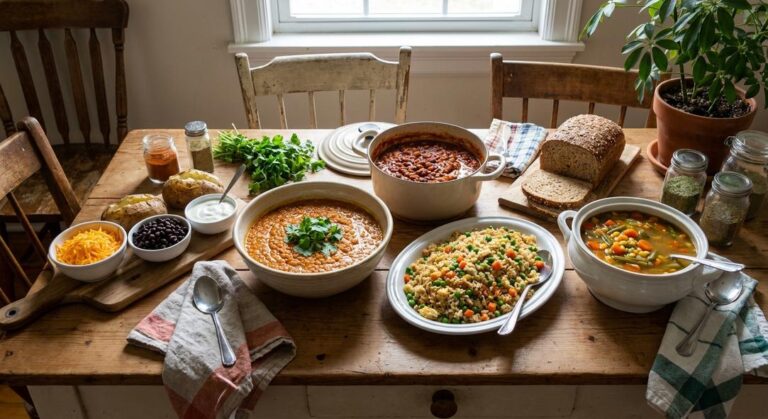
- ✅ Lentil dal, bean chili, egg fried rice, pasta with chickpeas, baked potatoes, and vegetable soup are among the best budget champions
- ✅ Frozen and canned produce can be just as practical and nutritious as fresh, especially when money is tight
- ✅ The smartest low-cost meals use small amounts of meat as flavoring, not the main event
- ✅ Batch cooking and planned leftovers are not glamorous, but they are where the real savings live
- ✅ Healthy cheap cooking is less about deprivation and more about building a flexible pantry that works hard
There is a peculiar kind of optimism in opening the refrigerator at 5:32 p.m. and expecting dinner to introduce itself. It rarely does. More often, dinner is hiding in the pantry: a dusty bag of lentils, half a box of pasta, a can of tomatoes, rice in a sack big enough to qualify as furniture, and perhaps a few carrots rolling around like loose change. 🥕
The good news is that the cheapest healthy meals for a family of four are not punishment meals. They are not grim bowls of beige virtue eaten under fluorescent lighting. At their best, they are hearty, colorful, satisfying dishes built from humble ingredients: beans, grains, eggs, vegetables, potatoes, oats, canned fish, yogurt, and affordable cuts or small portions of meat.
The trick is to stop thinking of “cheap” and “healthy” as rival political parties. They can, in fact, govern together. A meal does not need imported berries, boutique nut butter, or salmon that appears to have attended private school. It needs a sensible mix of protein, fiber-rich carbohydrates, healthy fats, and vegetables. It needs seasoning. And, if children are involved, it may need cheese, diplomacy, or both.
What Makes a Meal Cheap, Healthy, and Actually Filling? 🍲
A genuinely useful budget meal must pass three tests. First, it must be inexpensive per serving. Second, it must contain enough nutrition to count as dinner rather than edible panic. Third, it must satisfy the people eating it, because a meal nobody wants is not frugal; it is compost with extra steps.
For most families, the cheapest healthy meals are built from a simple formula:
- A low-cost protein: beans, lentils, eggs, peanut butter, canned tuna, tofu, chicken thighs, ground turkey, or yogurt
- A filling base: rice, oats, pasta, potatoes, tortillas, barley, or whole-grain bread
- Vegetables: frozen mixed vegetables, cabbage, carrots, onions, spinach, canned tomatoes, peas, broccoli, or whatever is on sale
- Flavor builders: garlic, onion, spices, vinegar, soy sauce, bouillon, mustard, herbs, lemon, chili flakes, or a little cheese
Prices vary wildly by country, city, season, and whether your supermarket seems to believe lettuce is a luxury collectible. Still, many of the meals below can land somewhere between $1.25 and $3 per person in much of the United States and similar grocery markets, especially if you buy store brands and cook from pantry staples.
The cheapest healthy meal is rarely a recipe. It is a pattern: legumes, grains, vegetables, and enough flavor to make everyone forget they are being financially responsible.
1. Red Lentil Dal with Rice: The Quiet Genius of the Pantry 🍛
If there were a Nobel Prize for affordable dinner, lentils would have a small speech prepared. Red lentils cook quickly, need no soaking, and collapse into a creamy stew that feels richer than its price tag. Paired with rice, they create a complete, filling meal with plenty of protein and fiber.
A basic red lentil dal for four can cost around $6 to $8, depending on spice prices and whether you already own curry powder, cumin, or turmeric. You simmer red lentils with onion, garlic, canned tomatoes or chopped carrots, water or broth, and spices. Serve it over rice with a spoonful of yogurt if you have it.
Why it works: lentils are cheap, shelf-stable, and nutritionally serious. They bring protein, iron, folate, and fiber. Rice keeps the meal comforting and familiar. Carrots or spinach add color without upsetting the budget.
To make it family-friendly, keep the spice level modest and put chili flakes or hot sauce on the table for the brave and the childless at heart.
- 1 cup red lentils
- 1 to 1½ cups rice
- 1 onion and 2 carrots
- 1 can tomatoes or a spoonful of tomato paste
- Garlic, curry powder, cumin, turmeric, salt, and oil
- Optional: frozen spinach, plain yogurt, or lemon juice
This is the sort of meal that tastes even better the next day, which is convenient if tomorrow’s lunch is currently an unsolved mystery.
2. Bean Chili: Cheap, Cheerful, and Built for Leftovers 🌶️
Bean chili is the reliable friend who shows up with a casserole dish and no drama. It is flexible, forgiving, and capable of absorbing whatever vegetables are lingering in the crisper drawer. A large pot can feed four generously for around $7 to $10, and often leaves enough for lunch.
The foundation is simple: canned or cooked dried beans, canned tomatoes, onion, chili powder, cumin, and perhaps corn, peppers, carrots, or zucchini. If you have a small amount of ground beef or turkey, you can add it, but the beans are perfectly able to carry the evening themselves.
Healthy does not mean joyless. Serve chili with brown rice, baked potatoes, whole-grain toast, or a small batch of cornbread. Add shredded cheese or plain yogurt if the budget permits. A squeeze of lime wakes the whole thing up, like opening the curtains in a stuffy room.
Beans are not a compromise protein. They are one of the few foods that manage to be cheap, nourishing, filling, and ecologically polite.
For maximum thrift, use dried beans. For maximum sanity on a school night, use canned beans. Both are valid. The moral hierarchy of dinner should never be allowed to ruin dinner.
3. Egg Fried Rice with Frozen Vegetables: The 20-Minute Rescue Meal 🍳
Egg fried rice is what happens when leftovers get a second career. It is fast, cheap, and nutritionally better than its takeout cousin if you go easy on the oil and generous on the vegetables. A family-sized pan can often be made for $5 to $8, especially if yesterday’s rice is already waiting in the fridge.
The magic lies in using cold cooked rice, which fries better than fresh. Add a little oil, scrambled eggs, frozen peas and carrots or mixed vegetables, soy sauce, garlic, and perhaps a bit of chopped cabbage. Cabbage deserves special mention here: it is inexpensive, long-lasting, and performs beautifully under pressure, which is more than can be said for many of us.
- Scramble 3 to 5 eggs in a large pan and set them aside.
- Cook onion, garlic, cabbage, or frozen vegetables in a little oil.
- Add cold rice and stir until hot.
- Season with soy sauce and a splash of vinegar or sesame oil if available.
- Stir the eggs back in and serve.
For extra protein, add edamame, tofu cubes, leftover chicken, or a can of drained tuna. But even in its simplest form, egg fried rice is a balanced meal: protein from eggs, carbohydrates from rice, and fiber and micronutrients from vegetables.
4. Pasta e Ceci: Pasta and Chickpeas, the Italian Budget Miracle 🍝
Pasta e ceci, or pasta with chickpeas, is proof that some of the world’s best comfort food came from people with better taste than money. It is somewhere between soup and pasta, warm and garlicky, thick with chickpeas and tomatoes. For four people, it can cost around $6 to $9.
The ingredients are modest: pasta, chickpeas, garlic, onion, canned tomatoes or tomato paste, broth or water, and olive oil. You simmer the chickpeas with aromatics, add liquid, then cook the pasta directly in the pot. Some chickpeas break down and thicken the broth, creating a meal that tastes like it has been fussed over when it has mostly just been stirred.
Use small pasta shapes if you have them, but broken spaghetti works too. Add frozen spinach for greenery. Add parmesan if available, but do not let a missing wedge of cheese stand between you and dinner.
- Health angle: chickpeas bring protein, fiber, magnesium, and iron
- Budget angle: pasta stretches the meal without making it feel thin
- Flavor angle: garlic, tomato, herbs, and olive oil do most of the heavy lifting
This dish is also an excellent candidate for children who claim not to like beans. Chickpeas in pasta seem less like an announcement and more like a plot twist.
5. Baked Potato Bar: Democratic Dinner on a Sheet Pan 🥔
A baked potato bar sounds almost too simple to count, but do not underestimate the potato. It is inexpensive, filling, rich in potassium and vitamin C, and happy to host toppings from nearly every cuisine. A family baked potato dinner can run about $5 to $10, depending on toppings.
Start with medium or large potatoes. Bake them until fluffy, then split them open and let everyone build their own. This is not laziness; this is participatory governance.
Budget-friendly toppings include:
- Black beans, pinto beans, or lentil chili
- Plain yogurt instead of sour cream
- Steamed frozen broccoli
- Shredded cabbage or carrots
- A little grated cheese
- Salsa, hot sauce, or leftover stew
- Canned tuna mixed with yogurt, mustard, and pepper
The key is to include protein. A potato topped only with butter may be emotionally persuasive, but it will not keep a growing child full for long. Beans, yogurt, eggs, tuna, or leftover meat make the meal more balanced.
Sweet potatoes work beautifully too, especially with black beans, cumin, lime, and a spoonful of yogurt. They cost a bit more in some places, but their natural sweetness can win over skeptical eaters with surprising speed.
6. Vegetable and Bean Soup: The Great Refrigerator Negotiator 🥣
Soup is where vegetables go to be forgiven. A soft carrot, a handful of frozen peas, half an onion, a bruised potato, a can of beans: all can be transformed into a meal that feels intentional. A big pot of vegetable and bean soup can feed four for around $6 to $9, often with leftovers.
The basic method is wonderfully forgiving. Cook onion and garlic in oil. Add chopped carrots, potatoes, cabbage, celery, or frozen vegetables. Add canned tomatoes if you like. Pour in water or broth, season well, and add beans or lentils. Simmer until everything is tender.
For a heartier meal, add pasta, rice, barley, or bread on the side. If you have a parmesan rind, toss it into the pot like a tiny insurance policy against blandness. If you do not, use bouillon, herbs, black pepper, vinegar, or lemon juice at the end.
The difference between “watery vegetables” and “excellent soup” is usually salt, acid, and patience.
Soup also freezes well, which matters. The best cheap meal is sometimes the one you already cooked before the week became unreasonable.
7. Oatmeal for Dinner: Scandalous, Sensible, and Surprisingly Good 🥣
Breakfast for dinner is one of civilization’s better loopholes. Oats are among the cheapest whole grains available, and they are rich in soluble fiber, which supports heart health and keeps people full. A family pot of oatmeal can cost as little as $3 to $6, even with fruit or toppings.
Sweet oatmeal is familiar: oats cooked with milk or water, topped with bananas, apples, peanut butter, raisins, cinnamon, or yogurt. But savory oatmeal deserves more attention. Cook oats with broth or water, then top with a fried egg, sautéed greens, scallions, soy sauce, or a little cheese. It is risotto’s frugal cousin, less glamorous but much quicker to return your calls.
For children, a topping bar can turn oatmeal into an event rather than a surrender. Put out sliced bananas, peanut butter, cinnamon, applesauce, sunflower seeds, or frozen berries warmed in a pan. Let each person assemble a bowl.
- Cheapest version: oats, banana, cinnamon, peanut butter
- Higher-protein version: oats, milk, yogurt, peanut butter, or eggs on the side
- Savory version: oats, egg, spinach, soy sauce, and scallions
Is oatmeal dinner traditional? Not everywhere. Is it nourishing, cheap, fast, and deeply useful on a Thursday night? Absolutely.
8. Tortilla Meals: Bean Quesadillas, Wraps, and Tacos 🌮
Tortillas are a quiet powerhouse in budget cooking. They turn leftovers into meals, beans into dinner, eggs into breakfast burritos, and vegetables into something children may accept if folded discreetly. A simple family meal of bean quesadillas or tacos can cost around $6 to $10.
For bean quesadillas, mash black or pinto beans with cumin, garlic powder, and a little salsa. Spread onto tortillas, add a modest sprinkle of cheese, fold, and toast in a pan. Serve with cabbage slaw, carrot sticks, corn, or a simple salad if greens are affordable.
For tacos, use beans, lentils cooked with taco seasoning, scrambled eggs, or leftover chicken stretched with beans. Add shredded cabbage instead of lettuce; it lasts longer, costs less, and has more crunch. Salsa provides flavor and vegetables in one jar, which is the kind of multitasking modern life demands.
The nutritional strength of tortilla meals depends on balance. Aim for beans or eggs, vegetables, and not too much cheese. Whole-wheat or corn tortillas can add fiber, but the best tortilla is the one your family will actually eat.
How to Shop for the Cheapest Healthy Family Meals 🛒
The cheapest healthy meals begin before the stove is turned on. They begin in the store, where small decisions accumulate like interest, either in your favor or against you.
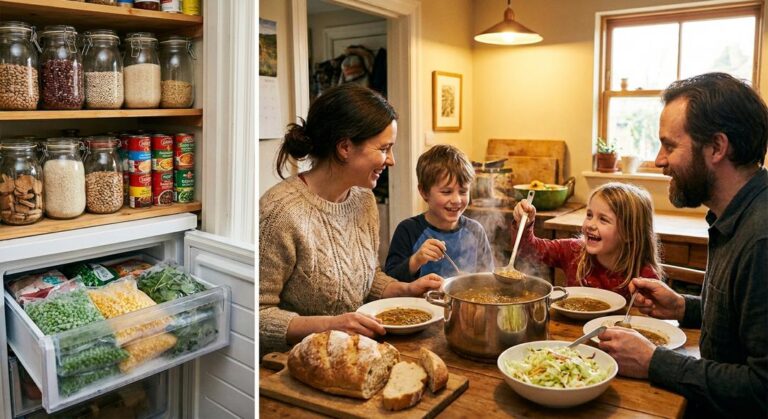
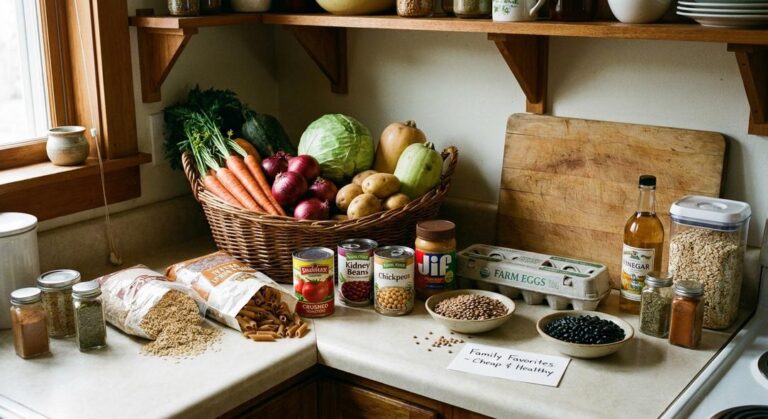
A practical budget pantry for family meals might include:
- Rice, oats, pasta, potatoes, and tortillas
- Dried or canned beans, lentils, chickpeas, and peanut butter
- Eggs, plain yogurt, tofu, canned tuna, or affordable chicken
- Frozen vegetables, canned tomatoes, cabbage, carrots, onions, and seasonal produce
- Basic seasonings: salt, pepper, garlic powder, cumin, chili powder, curry powder, soy sauce, vinegar, and bouillon
Frozen vegetables deserve a defense brief. They are picked at ripeness, often inexpensive, and do not wilt accusingly in the back of the fridge. Canned tomatoes, beans, corn, and fish are similarly useful. Rinse canned beans if you want to reduce sodium. Choose low-sodium options when the price is reasonable, but do not let perfection become a grocery bill with opinions.
Meat can still fit into cheap healthy cooking, but it works best as a supporting actor. A little bacon in bean soup, a chicken thigh shredded into rice, or a small amount of ground meat mixed with lentils can add flavor without taking over the budget.
A Simple One-Week Cheap Healthy Dinner Plan 📅
If you want a practical starting point, here is a week of inexpensive dinners for a family of four. The plan repeats ingredients on purpose. That is not monotony; that is strategy wearing sensible shoes.
- Monday: Red lentil dal with rice and carrots
- Tuesday: Bean chili with baked potatoes
- Wednesday: Egg fried rice with frozen vegetables and cabbage
- Thursday: Pasta e ceci with spinach
- Friday: Bean and cheese quesadillas with cabbage slaw
- Saturday: Vegetable and bean soup with toast
- Sunday: Oatmeal bar or savory oats with eggs and fruit
This kind of plan lets you buy overlapping ingredients: onions, carrots, cabbage, rice, beans, lentils, eggs, oats, frozen vegetables, and canned tomatoes. That overlap is where waste shrinks. A cabbage bought for slaw becomes fried rice, soup, and taco topping. Rice made on Monday becomes fried rice on Wednesday. Chili becomes a potato topping. Leftovers stop being sad little containers and become ingredients with ambition.
If your family resists repetition, change the seasoning rather than the entire meal. Beans can become chili, tacos, soup, or curry. Rice can go with dal, eggs, stir-fry, or burritos. Potatoes can lean Mexican, Mediterranean, or diner-style depending on toppings.
The Bottom Line: Cheap Healthy Food Is Not a Consolation Prize 🌿
The cheapest healthy meals to cook for a family of four are the old, sturdy ones: lentils and rice, beans and tortillas, eggs and vegetables, oats and fruit, potatoes with toppings, soup from odds and ends, pasta with legumes. They are not trendy, though trends often rediscover them and charge admission.
What these meals share is not austerity but intelligence. They use inexpensive ingredients with high nutritional value. They rely on flavor instead of expensive centerpieces. They welcome leftovers. They understand that feeding a family is not a photo shoot; it is an everyday act of logistics, love, and occasionally mild bribery.
If you can keep a few staples in the house and learn a handful of flexible meal patterns, you can cook dinners that are affordable, nourishing, and genuinely pleasant to eat. That may not solve every pressure on the family budget, but it does make 5:32 p.m. feel less like a crisis and more like dinner waiting to happen.
FAQ
What is the cheapest healthy meal for a family of four?
One of the cheapest is usually red lentil dal with rice or bean chili. Both use low-cost pantry staples, provide protein and fiber, and can often feed four people for under $10, depending on local grocery prices.
Are canned and frozen vegetables healthy?
Yes. Frozen vegetables are often very nutritious because they are frozen soon after harvest. Canned vegetables can also be healthy, especially if you choose lower-sodium versions or rinse them before using. They are practical, affordable, and far better than letting fresh produce spoil.
How can I make cheap meals more filling?
Add protein and fiber. Beans, lentils, eggs, yogurt, peanut butter, tofu, oats, brown rice, potatoes, and whole-grain pasta all help meals feel more satisfying. A little healthy fat, such as olive oil, peanut butter, or avocado when affordable, also helps.
Is it cheaper to cook with dried beans or canned beans?
Dried beans are usually cheaper per serving, especially when bought in larger bags. Canned beans cost more but save time and are still inexpensive compared with many protein sources. The best choice depends on your schedule; a canned bean dinner is still a budget win.
How do I keep cheap family meals from becoming boring?
Use the same staples with different seasonings. Beans can become chili, tacos, curry, soup, or pasta sauce. Rice can become fried rice, burrito bowls, or a side for dal. Keep inexpensive flavor boosters on hand, such as garlic, cumin, chili powder, soy sauce, vinegar, mustard, salsa, and lemon juice.