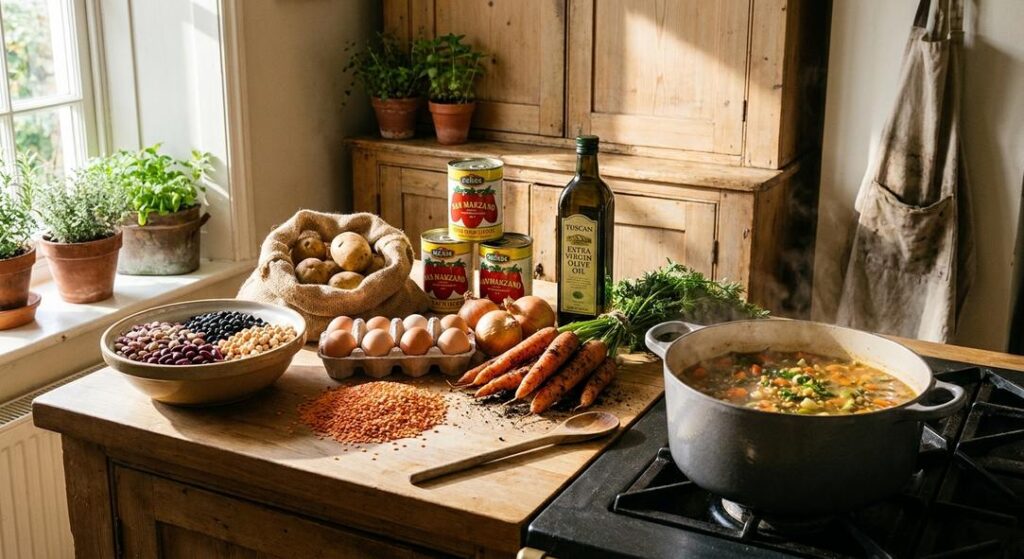
⚡ Key Takeaways
- ✅ The cheapest healthy family meals usually begin with beans, lentils, eggs, oats, rice, potatoes, pasta, and frozen vegetables.
- ✅ A nutritious dinner for four can often be cooked for roughly $5 to $10, depending on local prices and pantry staples.
- ✅ Lentil soup, bean tacos, chickpea curry, egg fried rice, pasta with legumes, and baked potato bars are budget champions.
- ✅ Frozen vegetables, canned tomatoes, cabbage, carrots, onions, and seasonal produce offer strong nutrition without the boutique price tag.
- ✅ Meat can be used as a flavoring rather than the main event, while beans and eggs carry the protein load affordably.
- ✅ The real savings come from planning overlapping ingredients, cooking once for leftovers, and reducing food waste.
- ✅ Healthy cheap cooking is less about deprivation and more about clever architecture: starch, protein, vegetables, fat, and seasoning.
Feeding a family of four has become a small act of domestic strategy. One eye on the stove, one eye on the receipt, and a third imaginary eye scanning the fridge for the half-bag of carrots that is approaching its final performance. 🥕
The good news is that the cheapest healthy meals are not mysterious, joyless bowls of punishment. They are the dishes grandmothers, students, farmers, nurses, and tired parents have relied on for generations: soups, stews, rice bowls, curries, pastas, hashes, omelets, and baked potatoes loaded with whatever is honest and available.
Healthy does not have to mean imported berries, ceremonial powders, or salmon arranged like modern art. At its most practical, a healthy family meal includes a satisfying source of energy, a reliable protein, vegetables or fruit, some healthy fat, and enough flavor to make everyone come back to the table voluntarily. The trick is building that meal with ingredients that work hard for their keep.
What Makes a Meal Both Cheap and Healthy? 🧠
A cheap meal is not automatically a healthy one, and a healthy meal is not automatically expensive. The overlap lives in the humble middle: legumes, grains, root vegetables, eggs, canned fish, frozen produce, and inexpensive cuts or small portions of meat used wisely.
For a family of four, the best budget meals usually follow a simple formula:
- Base: rice, pasta, oats, potatoes, tortillas, or whole-grain bread.
- Protein: lentils, beans, chickpeas, eggs, peanut butter, yogurt, tofu, canned tuna, or a modest amount of chicken.
- Vegetables: frozen mixed vegetables, cabbage, carrots, onions, canned tomatoes, spinach, peas, or seasonal produce.
- Fat and flavor: olive oil, vegetable oil, butter, cheese, spices, garlic, soy sauce, vinegar, mustard, salsa, or lemon.
That structure matters because it prevents the classic budget trap: filling bellies with refined starch alone. A pot of plain noodles may be cheap, but it will not keep a family satisfied for long. Add beans, vegetables, tomato sauce, and a little cheese, and suddenly dinner has muscle.
The most affordable healthy meals are built, not bought: start with a cheap staple, add protein, stretch it with vegetables, and season it like you mean it.
Prices vary by city, season, and store, so think of the costs below as rough estimates rather than courtroom evidence. Pantry items such as oil, salt, pepper, flour, and spices are counted lightly because they are used over many meals.
1. Lentil and Vegetable Soup: The Budget Monarch 🍲
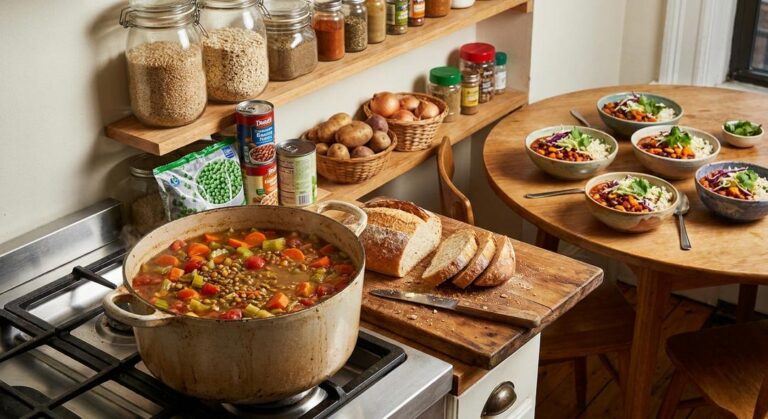
If frugality had a crown, lentil soup would wear it without fuss. Lentils cook quickly, require no soaking, and deliver protein, fiber, iron, and a lovely ability to become dinner from almost nothing.
A big pot for four generally costs around $5 to $8, especially if you use dried lentils, carrots, onion, celery, canned tomatoes, and broth or bouillon. Add a slice of toast or leftover rice, and the meal becomes deeply satisfying.
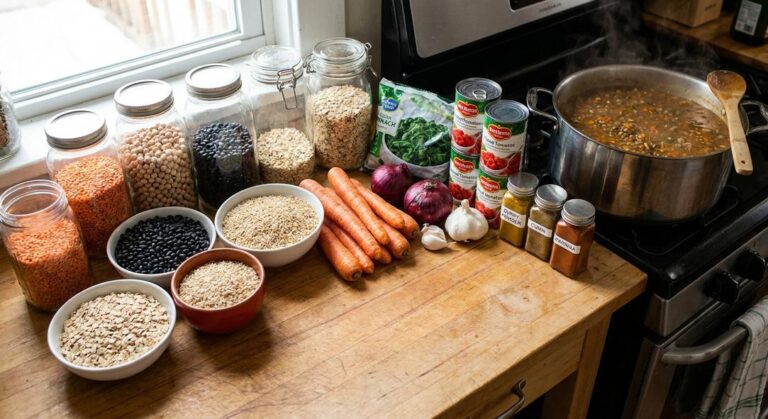
Basic ingredients:
- 1 pound dried lentils
- 1 onion, chopped
- 2 carrots, chopped
- 2 celery stalks, chopped if available
- 1 can diced tomatoes
- Garlic, cumin, thyme, curry powder, or paprika
- Water or broth
- A splash of vinegar or lemon juice at the end
The acid at the end is not a fancy flourish. It wakes the pot up. Lentils are earnest little things; vinegar gives them a reason to dance.
To make it heartier, stir in frozen spinach, leftover rice, chopped potatoes, or a handful of small pasta. If your family likes meat, a small amount of sliced sausage or leftover chicken can flavor the entire pot without becoming the budget’s lead actor.
2. Black Bean Tacos or Rice Bowls: Fast, Flexible, and Cheerful 🌮
Beans are the quiet heroes of the affordable kitchen. Black beans in particular are weeknight gold: mild, filling, and friendly with nearly every topping in the refrigerator.
For a family of four, black bean tacos or rice bowls can cost about $6 to $10. The price depends on whether you use tortillas, rice, cheese, avocado, or salsa. Skip the avocado if it is priced like jewelry.
Build the meal like this:
- Protein: 2 cans black beans or 3 cups cooked dried beans.
- Base: warm tortillas or cooked rice.
- Vegetables: cabbage, lettuce, corn, onions, peppers, or tomatoes.
- Flavor: cumin, chili powder, garlic, salsa, lime juice, or hot sauce.
- Optional topping: a little shredded cheese, plain yogurt, or sour cream.
Cabbage deserves special mention. It is cheap, crisp, nutritious, and lasts longer than lettuce, which often behaves like it has a dramatic destiny. Shred cabbage with a little salt and vinegar, and you have an instant slaw that brightens beans beautifully.
To stretch the meal further, serve beans over rice with a fried egg on top. The egg turns a modest bowl into something that feels nearly restaurant-like, if the restaurant were sensible and did not charge $17 for the privilege.
3. Chickpea Curry: Pantry Comfort With a Pulse 🥘
Chickpea curry is one of the great arguments for keeping canned tomatoes and legumes in the cupboard. It tastes rich, cooks quickly, and welcomes vegetables with admirable diplomacy.
A pot serving four usually costs around $7 to $11, particularly if you serve it with rice. You can make it with canned chickpeas for speed or dried chickpeas for maximum thrift.
A simple version needs:
- 2 cans chickpeas, drained
- 1 onion
- 1 can tomatoes or tomato sauce
- 1 cup frozen spinach, peas, or mixed vegetables
- Curry powder, garlic, ginger, cumin, or turmeric
- A splash of milk, coconut milk, or plain yogurt if available
- Cooked rice
The creamy ingredient is optional. Coconut milk is delicious, but if it strains the budget, use a little regular milk or yogurt at the end, off the heat. Even without creaminess, chickpeas and tomatoes make a sturdy, flavorful sauce.
A well-spiced chickpea curry proves a useful truth: flavor is often cheaper than protein, and spices can make humble ingredients feel abundant.
If children are wary of spice, keep the heat mild and let adults add chili flakes or hot sauce at the table. Family cooking is diplomacy with spoons.
4. Egg Fried Rice: The Leftover Rescue Mission 🍚
Egg fried rice is what happens when leftovers get a second career. It is fast, cheap, and nutritionally much better when loaded with vegetables and enough egg to count as real protein.
Using leftover rice, a family-sized pan can cost as little as $5 to $8. Even if you cook rice from scratch, it remains inexpensive. The key is using cold rice, which fries better and clumps less.
You will need:
- 4 to 5 cups cooked rice, ideally chilled
- 4 eggs
- 2 to 3 cups frozen mixed vegetables
- Onion or green onion if available
- Soy sauce
- A little oil
- Optional: leftover chicken, tofu, cabbage, or peas
Scramble the eggs first, remove them, stir-fry the vegetables, add the rice, season with soy sauce, then return the eggs to the pan. The whole affair can be finished in 15 minutes, which is useful on evenings when everyone is hungry and one person is standing in front of the fridge as if it might confess.
For a healthier version, use brown rice if your family likes it, or mix brown and white rice. Add extra vegetables and go easy on the soy sauce if sodium is a concern.
5. Pasta e Ceci: Pasta and Chickpeas, Elegantly Cheap 🍝
Pasta e ceci, the Italian combination of pasta and chickpeas, is proof that some of the world’s best comfort food was invented by people who knew how to stretch a pantry. It is not a giant bowl of pasta with a decorative bean wandering through. It is closer to a thick stew, with pasta and chickpeas sharing the stage.
The cost for four is often $6 to $9. It is filling, rich in fiber, and easy to adapt.
Basic ingredients:
- 8 ounces small pasta
- 2 cans chickpeas
- 1 can tomatoes or a few tablespoons tomato paste
- Garlic and onion
- Broth or water
- Rosemary, oregano, or Italian seasoning
- A small sprinkle of Parmesan if available
Mash some of the chickpeas into the broth to create body without cream. This is one of those little kitchen tricks that feels like getting away with something. The result is silky, hearty, and far more nourishing than plain pasta with butter.
Add spinach, kale, zucchini, or frozen vegetables to increase the nutritional value. If your children object to visible greens, chop them small. This is not deceit; it is parental choreography.
6. Baked Potato Bar: The People’s Buffet 🥔
Potatoes have been unfairly maligned in some corners of diet culture, usually by people selling something more expensive. A plain potato is affordable, filling, and a good source of potassium, vitamin C, and fiber, especially if you eat the skin.
A baked potato bar for four can cost around $6 to $10, depending on toppings. It also has the rare virtue of letting each family member assemble dinner according to personal taste, which reduces complaints and improves civilization.
Good toppings include:
- Black beans or chili beans
- Steamed broccoli or frozen mixed vegetables
- Plain yogurt instead of sour cream
- A modest amount of shredded cheese
- Salsa
- Leftover chicken, lentil chili, or tuna
- Chopped green onions or cabbage slaw
For the healthiest plate, treat the potato as the base rather than the entire meal. Top it with beans and vegetables, then add just enough cheese or yogurt to make it feel indulgent. The goal is not a butter delivery system, though no one is calling the police over a pat.
7. Vegetable Frittata or Omelet Dinner: Breakfast Clocks Out Late 🍳
Eggs are one of the cheapest high-quality proteins available, even when prices rise and make everyone grumble in the dairy aisle. A vegetable frittata can feed four for about $6 to $9, especially with toast, potatoes, or a simple salad on the side.
A frittata is forgiving. It accepts leftover vegetables, bits of cheese, herbs, cooked potatoes, and that one spoonful of peas no one knows what to do with.
Use this framework:
- 8 eggs
- 1 to 2 cups cooked vegetables
- 1 small onion
- A little milk if available
- Salt, pepper, and herbs
- Optional: cheese, cooked potato, spinach, mushrooms, or peppers
Serve with toast, roasted potatoes, or fruit. If eight eggs feels too costly, use six eggs and add cooked potatoes, beans, or cottage cheese. The frittata will still set and still satisfy.
This is also a superb anti-waste meal. Leftovers that seem too small to matter often become meaningful when folded into eggs. It is less recipe than rescue operation.
8. Oatmeal for Dinner: Unfashionable, Sensible, Surprisingly Good 🥣
Oatmeal for dinner may sound like the plot of a very quiet tragedy, but hear me out. Savory oats are cheap, quick, and nourishing. Sweet oats can also make a perfectly acceptable emergency meal, especially when paired with peanut butter, fruit, yogurt, or milk.
A family pot of oats can cost $3 to $6, depending on toppings. That is hard to beat.
For sweet oatmeal, add:
- Peanut butter or chopped nuts
- Bananas, apples, raisins, or frozen berries
- Milk or yogurt
- Cinnamon
- A small drizzle of honey or brown sugar
For savory oatmeal, try:
- A fried or boiled egg
- Sautéed spinach or frozen vegetables
- Cheese
- Soy sauce or hot sauce
- Green onions or leftover roasted vegetables
Oats are rich in soluble fiber, which supports heart health and helps with fullness. They are also fast enough to save a night when the planned dinner has been defeated by time, traffic, or morale.
The Cheapest Healthy Ingredients to Keep on Hand 🛒
The meals above become easier when the kitchen has a reliable cast of low-cost staples. A frugal pantry is not about hoarding; it is about giving future-you a fighting chance.
Start with these budget workhorses:
- Dried lentils: quick-cooking, protein-rich, and excellent in soups, stews, and curries.
- Beans and chickpeas: canned for convenience, dried for maximum savings.
- Rice: a dependable base for bowls, soups, stir-fries, and casseroles.
- Oats: breakfast, dinner, baking, and emergency comfort in one bag.
- Potatoes and sweet potatoes: filling, versatile, and long-lasting.
- Eggs: fast protein for frittatas, fried rice, sandwiches, and bowls.
- Frozen vegetables: often cheaper than fresh, with little waste.
- Canned tomatoes: the backbone of soups, sauces, curries, and stews.
- Cabbage, carrots, and onions: inexpensive vegetables with serious staying power.
- Peanut butter: protein, fat, flavor, and child-appeasing magic.
Frozen vegetables deserve applause. They are picked and frozen at peak ripeness, require no chopping, and do not wilt in the crisper drawer while you reconsider your life choices. For families on tight budgets, they are often one of the smartest buys in the store.
How to Stretch Meals Without Making Them Sad 🍽️
There is an art to stretching food. Done well, it feels generous. Done badly, it feels like someone added water to despair. The difference is flavor, texture, and intention.
Use these strategies:
- Add legumes to meat dishes. Lentils disappear beautifully into taco meat, pasta sauce, and sloppy joes.
- Use meat as seasoning. A little bacon, sausage, chicken, or ham can flavor a whole pot of beans or soup.
- Bulk up with vegetables. Cabbage, carrots, frozen peas, zucchini, and spinach add volume and nutrients.
- Serve with a smart starch. Rice, potatoes, tortillas, pasta, or bread help round out the meal.
- Finish with acid. Lemon juice, vinegar, salsa, or pickles make inexpensive food taste brighter.
- Protect texture. Add something crunchy, creamy, or fresh when possible, even if it is just cabbage slaw or a spoonful of yogurt.
Seasoning is not a luxury. It is the difference between “we are eating beans again” and “these beans are actually excellent.” Garlic powder, cumin, chili powder, Italian seasoning, curry powder, soy sauce, vinegar, and mustard can carry dozens of meals.
The cheapest ingredient in the kitchen is often attention: tasting, seasoning, and using what you already have before buying more.
A Simple One-Week Budget Dinner Plan for Four 📅
Here is a practical week of inexpensive, healthy dinners using overlapping ingredients. It assumes a pantry with oil, salt, pepper, and a few basic spices.
- Monday: Lentil vegetable soup with toast or rice.
- Tuesday: Black bean tacos with cabbage slaw and salsa.
- Wednesday: Egg fried rice with frozen vegetables.
- Thursday: Chickpea curry over rice.
- Friday: Baked potato bar with beans, broccoli, yogurt, and cheese.
- Saturday: Pasta e ceci with spinach or frozen vegetables.
- Sunday: Vegetable frittata with roasted potatoes or fruit.
This plan works because ingredients repeat without meals feeling identical. Beans appear in tacos and potatoes. Rice supports curry and fried rice. Frozen vegetables move wherever they are needed. Cabbage becomes slaw, taco filling, or stir-fry. Nothing is bought for one glamorous cameo and then abandoned.
If you cook extra lentils, rice, or beans early in the week, later meals become faster. Time, like money, is a household resource, and dinner should not require a daily heroic saga.
The Bottom Line: Cheap Healthy Food Is Ordinary Food Done Well 🌱
The cheapest healthy meals for a family of four are not found in a specialty aisle. They are found in bags of lentils, cartons of eggs, cans of tomatoes, sacks of potatoes, frozen vegetables, and rice that waits patiently in the pantry.
There is dignity in this kind of cooking. It is practical, but not grim. It asks us to be resourceful rather than extravagant, attentive rather than fussy. A pot of soup, a tray of baked potatoes, a skillet of fried rice, a bowl of chickpea curry: these are not consolation prizes. They are the backbone of family eating around the world.
In the end, the best budget meal is the one your family will actually eat, that nourishes more than it costs, and that leaves tomorrow’s lunch looking after itself. That may not be glamorous, but neither is paying $14 for a salad that leaves everyone hungry by 9 p.m.
FAQ ❓
What is the absolute cheapest healthy dinner for a family of four?
Lentil soup is often the cheapest balanced option. Dried lentils, carrots, onions, canned tomatoes, and basic seasonings can make a large pot for just a few dollars. Serve it with rice, toast, or potatoes to make it more filling.
Are canned beans as healthy as dried beans?
Yes, canned beans are healthy and convenient. They usually cost more than dried beans, but they save time. To reduce sodium, choose low-sodium cans or rinse regular canned beans under water before using them.
How can I make cheap meals more filling without adding lots of meat?
Add beans, lentils, eggs, potatoes, oats, brown rice, whole-grain pasta, or peanut butter where appropriate. Fiber-rich foods help with fullness, and combining protein with starch and vegetables makes meals more satisfying.
Are frozen vegetables a good choice for budget family meals?
Absolutely. Frozen vegetables are nutritious, affordable, and reduce waste because you use only what you need. They are especially useful in fried rice, soups, curries, pasta dishes, casseroles, and omelets.
How do I keep cheap healthy meals from feeling repetitive?
Change the seasonings and format. Beans can become tacos, soup, chili, rice bowls, or potato toppings. Rice can be used for curry, fried rice, burrito bowls, or soup. A small rotation of spices, sauces, and toppings makes the same staples feel new.