⚡ Key Takeaways
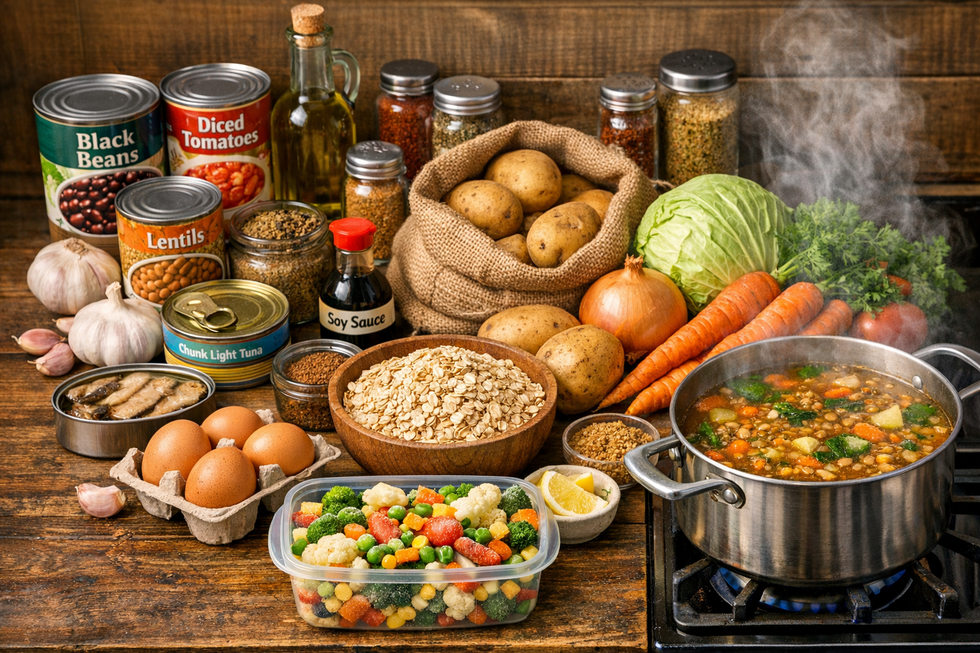
- ✅ Build meals around low-cost nutritional anchors: beans, lentils, oats, eggs, potatoes, rice, cabbage, frozen vegetables, and canned fish.
- ✅ Plan before shopping, but plan flexibly: buy what is affordable, seasonal, and actually likely to be eaten.
- ✅ Protein does not have to mean steak; budget proteins can be hearty, versatile, and deeply satisfying.
- ✅ Frozen and canned foods are not “less healthy” by default and can reduce waste dramatically.
- ✅ Cooking once and remixing leftovers saves money without forcing you into culinary boredom.
- ✅ Inflation rewards strategy: compare unit prices, avoid convenience markups, and protect yourself from impulse buys.
- ✅ Healthy eating on a tight budget is not about perfection; it is about consistency, dignity, and small decisions that add up.
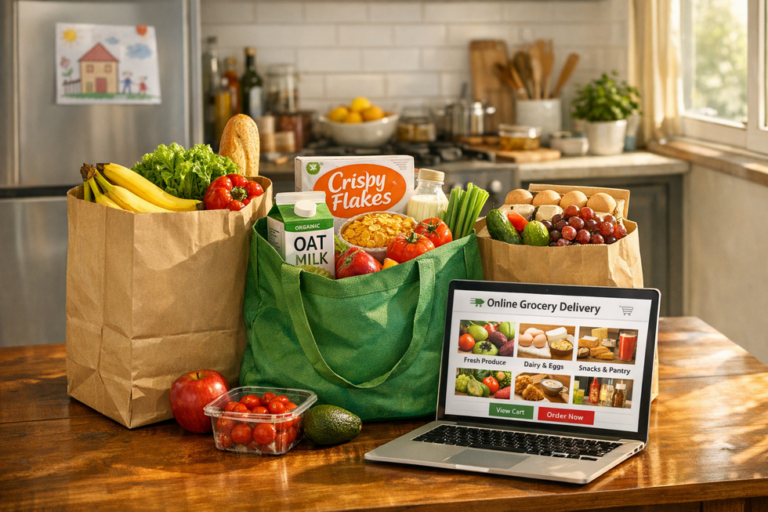
There is a particular kind of silence that falls over a person in the grocery aisle when they realize the old mental math no longer works. The basket is half full, the list is unfinished, and somehow the total has already sprinted past what used to buy a week’s worth of meals. Inflation has turned supermarkets into places where even lettuce can seem to have hired a publicist.
Eating well in this climate is not a matter of simply “making better choices,” as if everyone has endless time, money, storage space, and a cheerful relationship with meal prep. Food is emotional, cultural, practical, and political. It is also, inconveniently, necessary several times a day. The challenge is not to create a perfect diet that would impress a wellness influencer with a marble countertop. The challenge is to feed yourself and your household in a way that is nourishing, affordable, realistic, and not completely joyless. 🍲
The good news is that healthy eating has always had a quiet, thrifty side. Long before “budget cooking” became a content category, families relied on beans, grains, soups, stews, seasonal vegetables, preserved foods, and clever leftovers. Inflation may be modern, but the remedies are wonderfully old-fashioned: plan carefully, waste little, season boldly, and treat humble ingredients with respect.
Start With the Right Definition of Healthy 🥕
When money is tight, the word healthy can feel like a luxury brand. It conjures images of wild salmon, boutique greens, cold-pressed juices, imported berries, and almond products that cost as much as a small appliance. But health is not determined by how photogenic your lunch is.
A healthy budget meal is one that gives your body useful fuel: protein, fiber, healthy fats, vitamins, minerals, and enough energy to get through the day. It should be filling. It should not require a culinary degree. And it should be possible to repeat without bankrupting you or boring you into mutiny.
In practical terms, that means building meals from a few dependable categories:
- Protein: beans, lentils, eggs, canned tuna or sardines, tofu, chicken thighs, peanut butter, Greek yogurt, cottage cheese, or ground turkey when on sale.
- Fiber-rich carbohydrates: oats, brown rice, potatoes, whole wheat pasta, barley, corn tortillas, and whole grain bread.
- Vegetables and fruit: frozen vegetables, cabbage, carrots, onions, apples, bananas, canned tomatoes, seasonal produce, and whatever is marked down but still in good shape.
- Flavor builders: garlic, onions, dried herbs, spices, vinegar, mustard, soy sauce, hot sauce, lemon juice, and bouillon.
- Healthy fats: olive oil when affordable, canola oil, peanut butter, nuts in small amounts, seeds, avocado only when it is not priced like jewelry.
The trick is to think less in terms of “superfoods” and more in terms of supporting actors. A pot of lentils may not have glamour, but add onions, cumin, tomatoes, and a spoonful of yogurt, and suddenly dinner has a plot.
The healthiest food is not the one with the most fashionable label. It is the food you can afford, prepare, enjoy, and eat consistently.
Plan Like a Realist, Not a Spreadsheet With Feelings 📝
Meal planning is often presented as a serene Sunday ritual involving matching containers and a person who has never forgotten spinach in the back of the fridge. In real life, meal planning is more like defensive driving. You are anticipating hunger, fatigue, limited time, and the seductive call of takeout.
The best budget meal plan is not the most ambitious one. It is the one that survives Tuesday.
Start by checking what you already have. This sounds insultingly obvious, but many households are accidentally running small archaeological sites in their cupboards. A can of chickpeas, half a bag of rice, frozen peas, pasta, and a jar of salsa can become several meals if you see them before buying more.
Then plan around three questions:
- What needs to be used up first?
- What is on sale or in season?
- What meals can share ingredients without tasting identical?
For example, a bag of carrots can go into soup, a stir-fry, a lentil stew, and a snack plate. Cabbage can become slaw, fried rice filler, taco topping, or a quick sauté with eggs. A roast chicken, if affordable, can become dinner, sandwiches, soup, and broth. This is not monotony; it is ingredient diplomacy.
A flexible plan might look like this:
- Breakfasts: oatmeal with banana, eggs with toast, yogurt with fruit, peanut butter on whole grain bread.
- Lunches: leftovers, bean burritos, tuna salad, lentil soup, rice bowls.
- Dinners: chili, vegetable fried rice, pasta with canned tomatoes and greens, baked potatoes with beans, chicken and vegetable soup.
- Emergency meal: eggs, frozen vegetables, and rice or toast.
The emergency meal is important. Every budget kitchen needs one or two meals that can be made when everyone is tired and patience has left the premises. If you do not plan for exhaustion, exhaustion will plan for you, usually with delivery fees.
Shop the Unit Price, Not the Pretty Package 🛒
Inflation has made one thing painfully clear: package sizes are sneaky little creatures. A box may look the same while containing less. A “family size” label may be a marketing costume. The only number that tells the truth is often the unit price, usually shown as cost per ounce, pound, gram, or liter.
Comparing unit prices helps you see whether the larger package is actually cheaper, whether the store brand beats the name brand, and whether a sale is worth your attention. Sometimes bulk buying saves money; sometimes it simply gives you 10 pounds of regret.
Here are the grocery habits that matter most when every dollar is under interrogation:
- Buy store brands for staples like oats, rice, pasta, canned tomatoes, frozen vegetables, flour, and spices.
- Compare unit prices, especially on cereal, yogurt, cheese, meat, coffee, and snacks.
- Avoid pre-cut fruits and vegetables unless they prevent waste or make cooking possible during a difficult week.
- Check the clearance or markdown section for bread, produce, dairy, and meat you can use or freeze quickly.
- Be cautious with “10 for $10” promotions; you may not need ten, and sometimes the deal works even if you buy one.
- Do not shop hungry if you can help it; hunger is a lobbyist for poor decisions.
It also helps to shop with a hierarchy. Buy the essentials first: proteins, grains, vegetables, fruit, and basic flavorings. If money remains, then add extras. This prevents the tragic cart where snacks make it home but dinner does not.
A budget is not a punishment. It is a set of instructions you give your money before the supermarket gives it other ideas.
Let Cheap Proteins Do the Heavy Lifting 🍳
Protein is often the most expensive part of a meal, particularly if your idea of protein begins and ends with meat. But there are many ways to get enough protein without making your grocery bill look like a car payment.
Beans and lentils deserve special praise. They are inexpensive, high in fiber, shelf-stable, and adaptable to countless cuisines. Lentils cook quickly and do not require soaking. Canned beans cost more than dried beans but save time and still offer excellent value. If dried beans are intimidating, start with lentils. Lentils are beans for people who forgot to plan.
Eggs, despite price swings, often remain a useful protein source when measured per serving. They can anchor breakfast, top rice bowls, enrich soup, become frittatas, or turn vegetables into dinner. Canned fish such as tuna, salmon, and sardines can also be economical, particularly when used with pasta, potatoes, rice, or salads.
Meat can still fit into a tight budget, but it works best as a flavoring or supporting ingredient rather than the centerpiece of every meal. Think chicken and vegetable soup, turkey chili with beans, pasta with a small amount of sausage and plenty of vegetables, or stir-fry stretched with cabbage and rice.
Good budget protein ideas include:
- Lentil soup with carrots, onions, and tomatoes.
- Black bean tacos with cabbage slaw.
- Egg fried rice with frozen peas and carrots.
- Chickpea salad with yogurt, mustard, and chopped celery.
- Baked potatoes topped with cottage cheese, beans, or chili.
- Pasta with sardines, garlic, breadcrumbs, and lemon.
- Tofu stir-fry with frozen vegetables and rice.
The goal is not to eliminate meat unless you want to. The goal is to stop giving meat the entire budgetary stage. Let it share the spotlight with beans, grains, and vegetables. The audience, by which I mean your stomach, will still applaud.
Make Frozen and Canned Foods Your Allies 🧊
Somewhere along the way, fresh food acquired a halo and everything else was treated as a compromise. But frozen and canned foods can be nutritious, affordable, and sometimes more practical than fresh. A bag of frozen spinach will wait patiently. Fresh spinach behaves like it has a personal deadline.
Frozen fruits and vegetables are typically picked at peak ripeness and frozen quickly. They are excellent for soups, stews, smoothies, oatmeal, stir-fries, casseroles, and pasta dishes. They also allow you to use only what you need, reducing waste. Wasted food is not just an environmental issue; it is money leaving the house in a compostable disguise.
Canned foods also belong in the budget kitchen. Canned tomatoes can become sauce, soup, chili, curry, or shakshuka. Canned beans can become salads, tacos, dips, stews, and rice bowls. Canned fish can turn a plain pantry dinner into something rich and satisfying.
Look for lower-sodium versions when you can, but do not panic if they cost more. Rinsing canned beans can reduce some sodium. Pairing canned foods with fresh or frozen vegetables also helps balance the meal.
Smart frozen and canned staples include:
- Frozen peas, spinach, broccoli, mixed vegetables, berries, and corn.
- Canned tomatoes, tomato paste, beans, lentils, pumpkin, tuna, salmon, sardines, and corn.
- Frozen edamame or tofu if available at a good price.
- Frozen fruit for oatmeal, yogurt, or smoothies when fresh berries are too expensive.
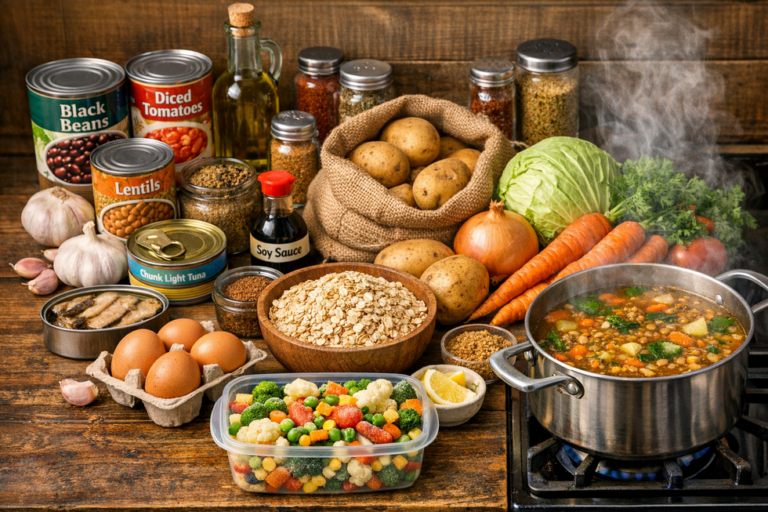
One of the best inflation-era meals is a pantry soup: canned tomatoes, lentils or beans, frozen vegetables, onions if you have them, spices, and broth or water with bouillon. It is not glamorous. It is warm, nourishing, and cheap, which is its own kind of elegance.
Cook Once, Then Remix Like a Jazz Musician 🎷
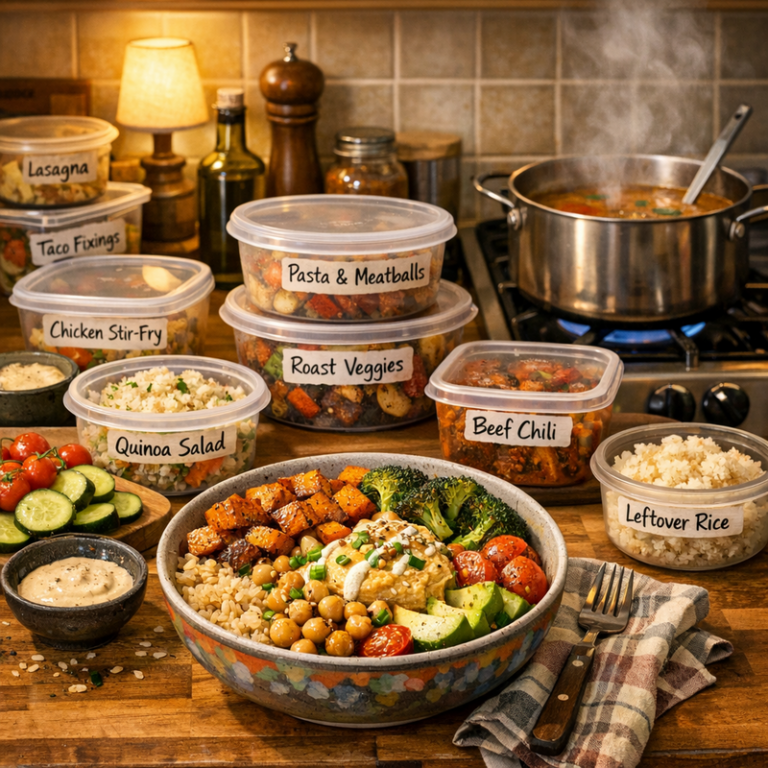
Batch cooking has a reputation for producing rows of identical containers, each one quietly threatening your will to live. It does not have to be that way. The better approach is to cook components, not complete meals, and then remix them throughout the week.
For example, cook a pot of rice, a tray of roasted vegetables, and a batch of beans or chicken. On Monday, they become a grain bowl. On Tuesday, they become tacos. On Wednesday, they become soup. On Thursday, they become fried rice. By Friday, if morale is low, put an egg on it and call it cuisine.
Useful components to prepare ahead include:
- A pot of rice, barley, quinoa, or pasta.
- A batch of lentils, beans, chili, or soup.
- Hard-boiled eggs.
- Washed and chopped sturdy vegetables like carrots, cabbage, celery, or broccoli.
- A simple sauce such as yogurt with lemon and garlic, peanut sauce, salsa, or vinaigrette.
- Roasted potatoes, sweet potatoes, or winter squash.
Sauces are the secret to avoiding boredom. The same rice and beans can taste Mexican-inspired with salsa and cumin, Mediterranean with yogurt and lemon, or vaguely takeout-adjacent with soy sauce, ginger, and garlic. The ingredients do not have to change dramatically if the seasoning does.
Leftovers should be treated as assets, not obligations. A little leftover roasted chicken can flavor soup. A small amount of cooked vegetables can go into an omelet. Extra rice is practically begging to become fried rice. Stale bread can become breadcrumbs, croutons, or toast. Overripe bananas are not failures; they are banana bread making an entrance.
The cheapest food is the food you already bought and actually eat. Waste is inflation’s quiet accomplice.
Buy Produce With a Strategy, Not a Fantasy 🥬
Fresh produce is important, but it is also where good intentions often go to wilt. Buying seven kinds of delicate greens because you want to become “the sort of person” who eats them is a lovely aspiration and a poor financial plan.
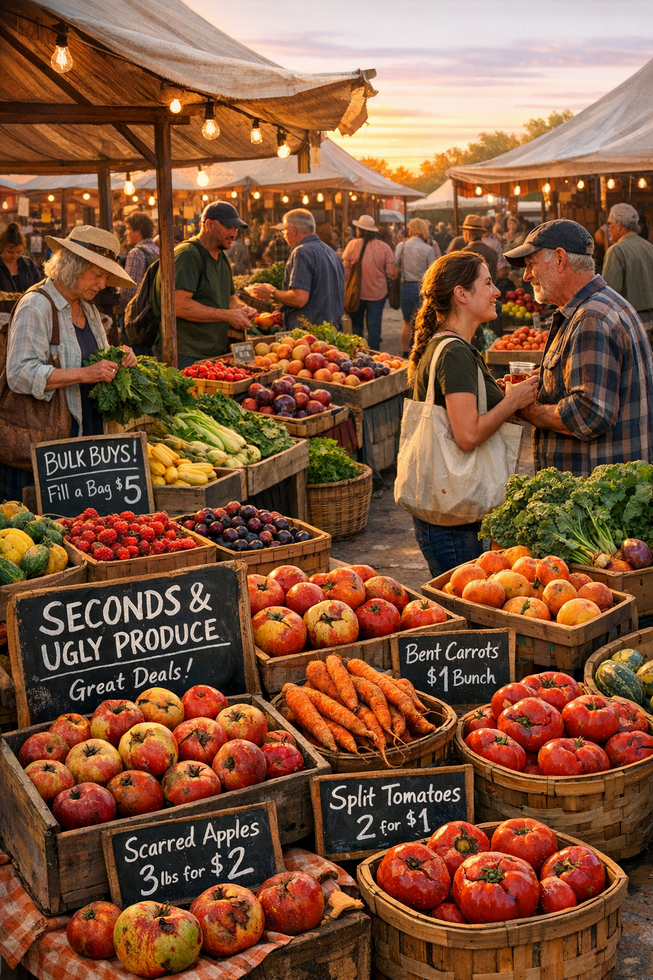
The budget produce strategy is to favor items that are versatile, durable, and affordable. Cabbage, carrots, onions, potatoes, sweet potatoes, apples, bananas, oranges, and seasonal vegetables usually deliver excellent value. They last longer than tender greens and can be used in many dishes.
Sturdy produce also helps when you cannot shop often. A head of cabbage can survive in the fridge with the grim determination of a Victorian widow. It can become slaw, soup, stir-fry, roasted wedges, taco topping, or noodle filler. Carrots can be snacks, soup base, roasted sides, or grated into salads. Onions make nearly everything taste more like dinner.
To save money on produce:
- Buy seasonal fruits and vegetables when possible.
- Choose whole produce over pre-cut when you have the time and ability to prepare it.
- Use frozen vegetables when fresh prices spike.
- Buy smaller amounts of delicate produce like berries, salad greens, and herbs unless you have a clear plan.
- Store produce properly to extend its life.
- Use stems, leaves, and scraps where appropriate in soups, stir-fries, or broth.
If fresh herbs are too expensive, dried herbs and spices are perfectly respectable. Parsley may be charming, but no one should have to choose between herbs and rent. A little vinegar, garlic, or lemon juice can brighten cheap ingredients beautifully.
Build a Budget Pantry That Works Hard 🫘
A pantry is not a museum of aspirational ingredients. It is a toolkit. The best budget pantry contains foods that are affordable, shelf-stable, and compatible with one another. You do not need thirty specialty condiments; you need enough basics to make simple food taste good.
Start slowly. Building a pantry all at once can be expensive. Add one or two staples each week when you can. Over time, these basics reduce the number of “nothing to eat” emergencies.
A strong budget pantry might include:
- Oats, rice, pasta, flour, cornmeal, or tortillas.
- Dried lentils, dried beans, canned beans, and peanut butter.
- Canned tomatoes, tomato paste, canned fish, and canned vegetables.
- Cooking oil, vinegar, mustard, soy sauce, hot sauce, and bouillon.
- Salt, pepper, garlic powder, chili powder, cumin, oregano, cinnamon, and curry powder.
- Potatoes, onions, carrots, and other long-lasting produce.
With these ingredients, you can make oatmeal, soup, chili, pasta, fried rice, bean tacos, lentil curry, potato hash, pancakes, and more. The pantry reduces your dependence on expensive last-minute meals. It also gives you the confidence to buy sale items because you know how to turn them into dinner.
One caution: do not buy enormous quantities of foods your household does not like. A 25-pound bag of brown rice is only a bargain if someone is willing to eat brown rice with regularity and without making mournful eye contact across the table.
Protect Nutrition When Cutting Costs 🛡️
When budgets shrink, nutrition can become collateral damage. The cheapest calories are often refined, sugary, or salty, and they may fill the stomach without providing lasting nourishment. But with careful choices, it is possible to protect the nutrients that matter most.
Fiber is a major one. It helps with fullness, digestion, blood sugar stability, and heart health. Fortunately, many high-fiber foods are inexpensive: oats, beans, lentils, whole wheat pasta, potatoes with skins, cabbage, apples, carrots, and frozen vegetables.
Protein matters too, especially for children, older adults, pregnant people, active individuals, and anyone trying to stay full between meals. Again, budget options exist: eggs, beans, lentils, canned fish, tofu, yogurt, milk, peanut butter, and economical cuts of poultry.
Micronutrients matter, but you do not need a rainbow of expensive produce every day. You need variety over time. If this week’s vegetables are carrots, cabbage, and frozen spinach, that is a perfectly respectable lineup. Next week, maybe it is broccoli, canned tomatoes, and sweet potatoes.
Affordable nutrition boosters include:
- Add lentils to ground meat to stretch it and increase fiber.
- Stir frozen spinach into soups, eggs, pasta sauce, and curry.
- Top oatmeal with peanut butter and banana for staying power.
- Use canned tomatoes as a base for sauces and stews.
- Add beans to salads, rice, pasta, and soups.
- Choose whole grains when the price difference is manageable.
Perfection is not required. If the choice is between a simple peanut butter sandwich and skipping lunch, eat the sandwich. If dinner is scrambled eggs, toast, and an apple, that counts. Healthy eating is not a performance; it is a pattern.
Know When Convenience Is Worth Paying For ⏱️
Budget advice often assumes that everyone has unlimited time to soak beans, chop vegetables, simmer broth, and lovingly label freezer containers. This is charming nonsense. Time is a resource too. Energy is a resource. Mobility, kitchen space, transportation, and caregiving responsibilities all shape what is realistic.
Sometimes convenience foods save money because they prevent more expensive choices. A rotisserie chicken may cost more than raw chicken, but if it prevents a $40 takeout order, it has done noble work. Pre-washed greens may be worth it if they are the difference between eating vegetables and throwing away good intentions. Canned beans cost more than dried, but they are still cheaper than many prepared meals.
Budget cooking should not become unpaid labor that drains the person responsible for feeding everyone. The most sustainable system is one that respects real life.
Convenience may be worth it when:
- It helps you avoid takeout or fast food.
- It reduces food waste.
- It makes cooking possible during a busy or stressful week.
- It supports a person with limited mobility, time, or equipment.
- It keeps nutritious food within reach when energy is low.
The goal is not to make everything from scratch. The goal is to spend strategically. Save money where it is easy; spend a little where it keeps the whole system from collapsing.
A Simple One-Week Budget Meal Framework 🍽️
Here is a flexible framework rather than a rigid menu. Adjust it based on prices, preferences, dietary needs, and what is already in your kitchen. The idea is to show how a small set of ingredients can stretch across the week without becoming a culinary prison sentence.
Core groceries might include oats, bananas, eggs, rice, lentils, canned tomatoes, canned beans, potatoes, cabbage, carrots, onions, frozen vegetables, yogurt, peanut butter, tortillas, and one affordable protein such as chicken thighs, tofu, or canned tuna.
- Breakfasts: oatmeal with banana and peanut butter; eggs with toast; yogurt with oats and fruit.
- Lunches: lentil soup; bean and rice bowls; tuna or chickpea salad wraps; leftovers.
- Dinners: potato and egg hash; chili with beans and tomatoes; stir-fried rice with eggs and frozen vegetables; cabbage tacos with beans; pasta with tomato sauce and vegetables.
- Snacks: apples, bananas, carrots with peanut butter or yogurt dip, toast, hard-boiled eggs, popcorn.
Cook the lentils early in the week. Make extra rice. Chop cabbage and carrots for slaw or stir-fry. Keep eggs ready for quick meals. If you have a freezer, freeze extra soup or chili in portions. Future you will accept this gift with gratitude and possibly tears.
Most importantly, repeat what works. There is no prize for inventing a new dinner every night. If your household likes bean burritos, put them in regular rotation. If oatmeal keeps breakfast cheap and calm, let oatmeal be the family statesman.
The Bottom Line: Eat Well, Not Perfectly 🌱
Inflation has made food shopping harder, and pretending otherwise helps no one. Prices are up, wages often lag, and many families are being asked to perform miracles with a grocery budget that has not received the memo. But healthy eating on a tight budget is still possible when we strip away the glamour and focus on fundamentals.
Build meals around inexpensive staples. Use beans, lentils, eggs, oats, rice, potatoes, frozen vegetables, canned tomatoes, and seasonal produce. Compare unit prices. Waste less. Cook components. Make leftovers useful. Spend on convenience when it protects your sanity and prevents costlier choices. Season generously. Eat enough.
There is dignity in practical food. A bowl of lentil soup, a baked potato with beans, oatmeal with peanut butter, cabbage stir-fry, eggs on toast, rice with vegetables and sauce: these are not consolation prizes. They are the sturdy, nourishing meals that have carried people through lean seasons for generations.
Healthy eating during inflation is not about achieving a spotless ideal. It is about creating a rhythm you can afford to keep. And if that rhythm includes the occasional frozen pizza, a slightly chaotic dinner, or cereal after a long day, welcome to humanity. The point is to return, meal by meal, to choices that support your body, your budget, and your life.
Frequently Asked Questions 💬
What are the cheapest healthy foods to buy during inflation?
Some of the best low-cost healthy foods are oats, rice, dried or canned beans, lentils, eggs, potatoes, cabbage, carrots, onions, bananas, apples, frozen vegetables, canned tomatoes, peanut butter, and canned tuna or sardines. Prices vary by region, but these foods usually offer strong nutrition for the cost.
Is it cheaper to eat vegetarian meals?
Often, yes. Meals built around beans, lentils, eggs, tofu, grains, and vegetables are usually cheaper than meals centered on meat. You do not have to become fully vegetarian to save money; even replacing a few meat-based meals each week can lower your grocery bill.
Are frozen vegetables as healthy as fresh vegetables?
Yes, frozen vegetables can be very nutritious. They are typically frozen soon after harvesting, which helps preserve nutrients. They are also convenient, often cheaper, and less likely to spoil before you use them.
How can I avoid wasting food when money is tight?
Plan meals around what you already have, store produce properly, freeze leftovers, and choose versatile ingredients that can be used in several dishes. Keep an “eat first” area in your fridge for foods that need to be used soon.
What should I cook when I have almost no time?
Keep a few emergency meals ready: eggs with toast, bean burritos, tuna rice bowls, oatmeal with peanut butter, pasta with canned tomatoes, or frozen vegetables stir-fried with rice. These meals are quick, inexpensive, and more nourishing than many last-minute takeout options.
About the Author