Smart and Savvy: Planning an Economical and Varied Weekly Menu
In a time where grocery bills seem to rise faster than your growing to-do list, finding a way to plan an economical yet varied weekly menu can feel as Herculean as cleaning the house after a tornado. After all, the kitchen is where culinary creativity meets the reality of budget constraints. But fear not! With a sprinkle of ingenuity and a dash of planning, you can whip up a menu that’s as colorful as a rainbow after a summer shower and as kind to your wallet as a family coupon collector.
The Art of Meal Planning: A Balancing Act
Meal planning doesn’t have to be a monotonous chore. Think of it as an evolving masterpiece. As the seasons change, so do the ingredients. Just as a painter selects colors from their palette, you can select ingredients to create winning dishes without burning a hole in your pocket. Crafting an economical and varied menu is, at its core, an exercise in striking antithesis—balancing health with budget, variety with familiarity.
Steps to Build Your Masterpiece
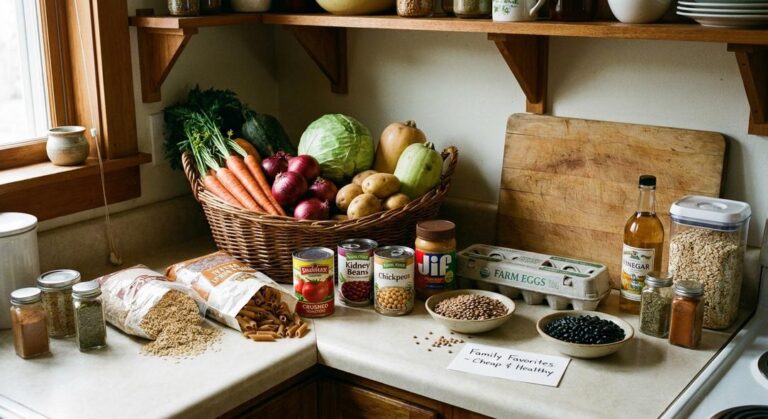
- Assess What You Already Have: Much like an artist surveying their canvas, check your pantry and fridge first. You’ll often find hidden gems—cans of beans, frozen veggies, and spices that have long since gathered dust. Shopping from your own inventory is a clever way to start.
- Set a Budget: Decide how much you’re willing to spend on groceries each week, and stick to it like glue! Having a financial boundary helps prevent the “it’s only $5” spiral that leads to a shopping cart overflowing with items you didn’t really need.
- Choose Ingredients Wisely: Think in bulk! Ingredients like rice, pasta, and legumes are versatile staples that can pair with various proteins and produce. They are the sturdy backbone upon which you can build a week’s worth of meals. 🥦🍚
- Plan Around Sales and Seasonal Produce: Grocery stores often place seasonal produce on sale, and who can resist the crisp allure of fresh, locally grown fruits and vegetables? Planning your meals around these will ensure variety and freshness.
- Make a Menu: Create a daily plan that allows for both repetition (think Taco Tuesday) and innovation. Combining beloved family recipes with new cooking adventures is like mixing your old vinyl records with modern beats to create a stellar playlist.
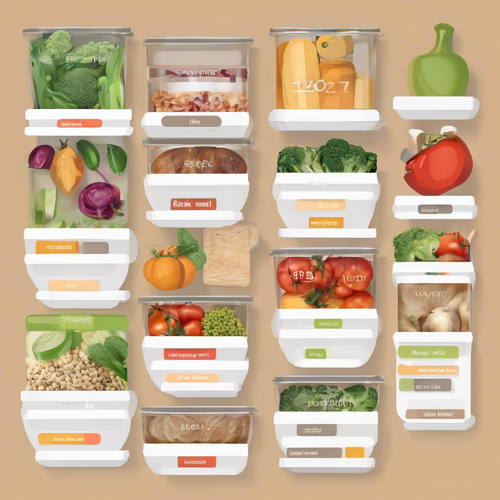
- Prep Like a Pro: Set aside time on the weekend to prep your meals. Chop, marinate, and assemble. It’s a bit like assembling an intricate puzzle: every piece has its place, and when it comes together, it’s a satisfying sight. 🔪
Embracing Variety: How to Keep it Interesting
If variety is the spice of life, then monotony is its most determined foe. Here are flavorsome strategies to ensure your week’s menu stays vibrant and engaging:
- Theme Nights: Consider assigning themes to each night—Meatless Monday, Fish Friday, or Stir-fry Saturday. It’s a gentle nudge toward novelty without straying far from your comfort zone. 🎉
- Explore Different Cuisines: Let your taste buds wander around the globe. One day, delight in the zest of Italian cuisine; the next, dive into the bold flavors of Indian food. It’s like taking a mini-vacation without ever leaving your kitchen.
- Incorporate Leftovers Creatively: Reinvent yesterday’s dinner into today’s lunch. That roast chicken? Transform it into chicken salad or tacos, giving it a second act on the plate. After all, even food deserves a comeback! 🌮
- Use Cooking Methods to Create Variety: Bake it, sauté it, or throw it in a slow cooker. The same ingredient can become a completely different dining experience based on how you prepare it. Who knew broccoli could wear so many hats?
Final Thoughts: Create Your Culinary Symphony
As you embark on this delicious journey of planning a varied and economically sound weekly menu, remember that food is more than sustenance; it’s a spirited gathering of flavors, cultures, and memories. When the week feels overwhelming, it’s often the simple act of cooking that can ground us, turn frowns upside down, and transform stress into the art of creation. So, armed with a collection of ingredients, a dash of creativity, and a pinch of planning, step into your kitchen like the maestro of your own culinary symphony. You’ve got this!