Food Waste Be Gone: Save Money and Embrace Sustainability
Isn’t it ironic how we throw away what we treasure most? The average family tosses out roughly 25% of the food they buy. That’s means 1 in 4 supermarket carts makes its way to the landfill instead of the dinner table. It’s a double whammy—a hit to both your wallet and the planet. So how do we transform this disheartening reality? With some savvy strategies and a sprinkle of intention, you can drastically reduce food waste while simultaneously padding your savings. 💸
The Meal Planning Manifesto
In the chaotic symphony of daily life, meal planning can seem like a daunting task—like trying to solve a Rubik’s cube blindfolded. Yet, it is the lifeline that can rescue your grocery budget from the clutches of waste and disappointment.
- Write It Down: Take a moment to chart your meals for the week. This simple act can significantly curb impulse purchases. Think of meal planning as your personal GPS, keeping you on course toward culinary destinations instead of uncharted landfills.
- Shop with Purpose: Armed with your meal plan, make a shopping list and stick to it like it’s the last chance to save a sinking ship. This reduces the risk of buying items that will languish unconsumed in your fridge.
- Cook Smart: Prepare meals based on what you already have. The leftover broccoli from last night’s stir-fry can partner beautifully with chicken in today’s casserole. Anticipation is key; creativity can turn yesterday’s remnants into today’s masterpiece! 🎨
Storage Solutions: Keep Your Edibles Edible
Storing food properly is akin to placing an extra layer of armor on your grocery investments. Correct storage extends the lifespan of perishable goods like a warm hug on a chilly day.
Fridge Feng Shui:
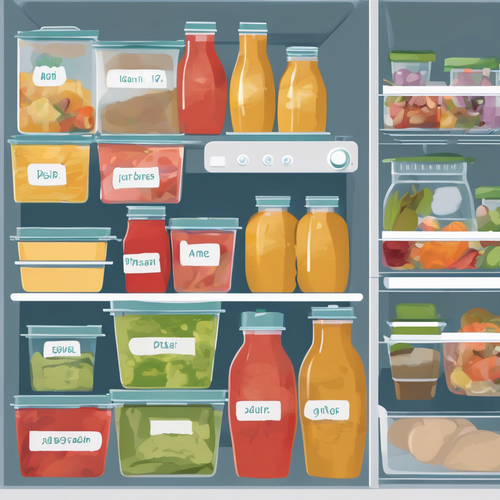
- First In, First Out: Whenever you replace food, move the older items to the front so that they are used first. This simple act transforms your fridge into a well-organized library where the oldest titles are recommended reading—no dusty corners here.
- Temperature Tactics: Keep your fridge at 37°F (3°C) and your freezer at 0°F (-18°C). It’s like having your food’s very own climate control system. 🌬️
- Clear Containers: Store dry goods in transparent containers to keep track of what you have. If pasta is the sunbather at the front of the shelf, you’ll remember to make that delightful primavera before it gets buried beneath the canned beans.
Transform Scraps into Treasure
In the grand tapestry of food consumption, nothing goes to waste quite like what we consider “scraps.” Those potato peels? They can be your best friends. 🌱
“Composting is nature’s way of recycling,” says sustainable living advocate Mia Greenfield. “If you can’t eat it, give it back to the earth.”
Turn those scraps into nutrient-rich compost or utilize them to create gourmet broths. Even vegetable trimmings, while once discarded, can become the blocks of flavor that enrich your next meal. Nature’s leftovers are brimming with potential!
Repurpose Leftovers: A Culinary Remix
Leftovers are not failures; rather, they are culinary stories waiting to be rewritten. Just as a sequel can breathe new life into a beloved movie franchise, so too can left-over cuisine blossom into an exciting new dish.
- Mix It Up: Last night’s roast chicken can easily become today’s chicken salad or tasty quesadillas. It’s an ode to versatility—a delicious sonnet crafted from yesterday’s banquet.
- Freeze for Later: If a dish can’t be polished off in a day or two, consider freezing individual portions. They are like time capsules of meals past, ready to shine when you’re too busy to cook. ❄️
- Creative Breakfasts: Use overripe fruits in smoothies or baked into pancakes. Who knew breakfast could double as a homage to your previous dinner?
Conscious Consumption: Education Meets Action
Knowledge is power, especially when it comes to understanding the environmental impacts of your spending habits. Be sure to arm yourself with statistics, such as:
- Food Waste Footprint: According to the USDA, wasted food amounts to approximately 31% of the total food supply. Wouldn’t it be something to transform that percentage into delicious home-cooked meals instead?
- Buy in Bulk: Whenever possible, purchase foods in bulk or family packs. Just remember to Share the Love—friends and neighbors are always grateful for a surprise jar of homemade sauce or a bag of rice!
Equipped with this knowledge, you can make more informed shopping decisions that highlight sustainability while padding your wallet. Acknowledge not only the joy of eating but the responsible role you play in this complex ecosystem! 🌍
By adopting these habits, you’re not just conserving food; you’re embracing an entire philosophy centered on sustainability and mindfulness. So, why not embark on this journey today? Your wallet and the planet will thank you for it.
About the Author