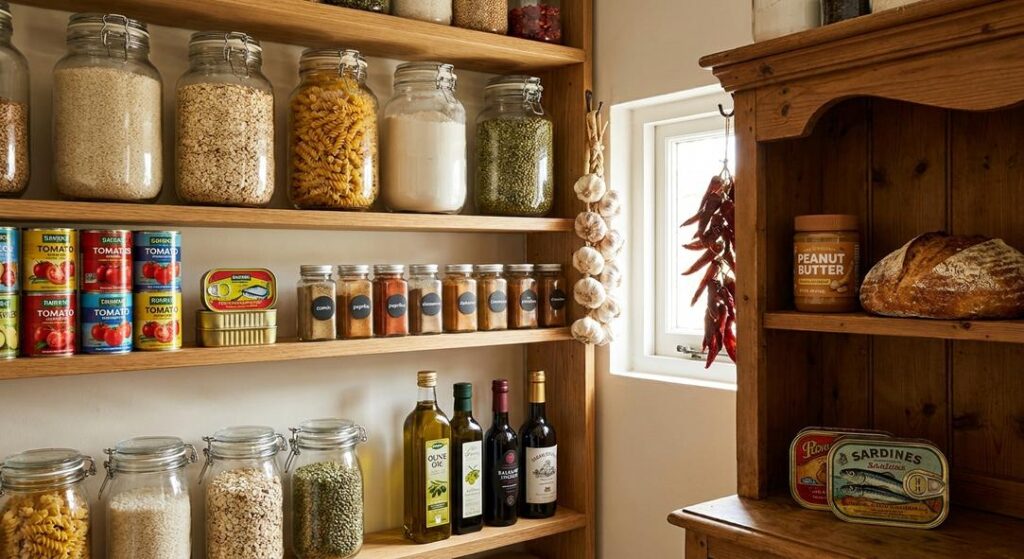
⚡ Key Takeaways
- ✅ The most cost-effective pantry staples are cheap per serving, versatile, filling, and shelf-stable.
- ✅ Rice, oats, pasta, flour, dried beans, lentils, and potatoes offer some of the best value in home cooking.
- ✅ Canned tomatoes, canned fish, peanut butter, and shelf-stable milk can turn basics into real meals.
- ✅ Spices, bouillon, vinegar, soy sauce, and cooking oil are small investments that prevent pantry boredom.
- ✅ Buying in bulk only saves money if you can store the food properly and use it before quality declines.
- ✅ A smart pantry is built around meals you actually eat, not aspirational bags of ancient grains.
- ✅ The real bargain is a pantry that helps you avoid last-minute takeout, food waste, and expensive convenience foods.
There are two kinds of pantry staples. The first kind looks virtuous in a glass jar and makes you feel like a person who rises early, writes thank-you notes, and owns matching measuring spoons. The second kind actually feeds you on a Tuesday night when everyone is hungry, the fridge is sulking, and payday is still doing a slow walk toward the calendar. 🥫
Cost-effective pantry stocking is not about building a bunker or buying 40 pounds of something simply because a warehouse club made it look inevitable. It is about quiet abundance: ingredients that are inexpensive, long-lasting, flexible, and capable of becoming breakfast, lunch, dinner, or a very respectable midnight snack with minimal fuss.
The best pantry staples share four traits: they have a low cost per serving, they store well, they combine easily with other foods, and they help you resist the siren song of overpriced convenience. A sack of rice, a bag of lentils, a tin of tomatoes, and a few spices will never trend as dramatically as a countertop gadget. But they have carried households through recessions, snowstorms, exam weeks, and the peculiar despair of opening the fridge to find half a lemon and a stare.
The economics of a useful pantry 💸
A pantry staple is not automatically cost-effective just because it is cheap. A five-pound bag of something your family hates is not a bargain; it is a slow-moving guilt sculpture. The goal is to stock foods that are affordable and useful in your real kitchen.
When evaluating staples, think in terms of cost per meal, not just sticker price. A $2 bag of dried lentils may produce six to eight servings. A $4 jar of peanut butter can anchor breakfasts, snacks, sauces, and sandwiches. A $6 bottle of olive oil may seem pricey next to a single can of soup, but it can improve dozens of meals.
The best pantry is not the biggest one. It is the one that gives you the most meals from the fewest regrets.
Before stocking up, ask three practical questions:
- Do I already cook with this food?
- Can I store it safely and keep pests, moisture, and heat away?
- Can I use it in at least three different meals?
If the answer is yes, you have probably found a pantry staple. If the answer is “maybe, once I become the sort of person who soaks chickpeas every Sunday,” proceed with caution. 🌱
Grains and starches: the budget backbone 🍚
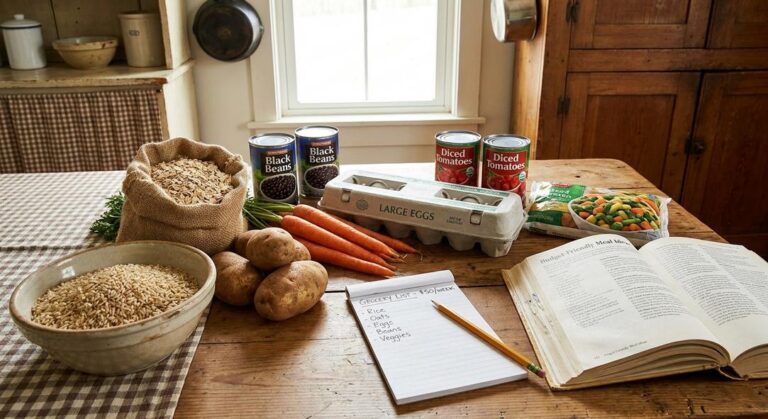
Grains and starches are where the pantry earns its keep. They are inexpensive, filling, widely available, and remarkably democratic. Rice does not care whether it is dressed with beans, eggs, vegetables, curry, canned fish, or last night’s leftovers. It simply shows up and does the work.
Rice is one of the most cost-effective staples in the world for a reason. White rice stores longer than brown rice because it contains less oil, though brown rice offers more fiber and nutrients. If you cook often, a larger bag can cut the price per serving dramatically. Rice becomes stir-fries, soups, rice bowls, burrito filling, pudding, casseroles, and emergency dinners of admirable plainness.
Oats are another quiet bargain. Rolled oats are usually more versatile than instant packets and much cheaper per serving. They can become oatmeal, granola, muffins, pancakes, meatloaf binder, fruit crisp topping, or overnight oats. They are also one of the few foods that can make breakfast feel wholesome without requiring a moral lecture.
Pasta deserves its place on the shelf. It cooks quickly, stores well, and accepts nearly any sauce or add-in. Whole wheat pasta brings extra fiber, but ordinary pasta remains a reliable budget helper. Keep a few shapes on hand: spaghetti for speed, short pasta for soups and bakes, and something ridged if you want sauce to cling like gossip in a small town.
Flour is powerful if you bake even occasionally. All-purpose flour can become bread, pancakes, biscuits, pizza dough, tortillas, dumplings, thickened sauces, and simple cakes. It does require proper storage; flour can turn stale or attract pests. If you do not bake often, buy smaller bags and store them tightly sealed.
- Best all-around starch: white rice
- Best breakfast value: rolled oats
- Best quick dinner base: pasta
- Best for scratch cooking: all-purpose flour
- Best filling add-on: potatoes, stored in a cool, dark place
Potatoes are sometimes forgotten because they live outside the cabinet, but they belong in the conversation. Stored properly, they are inexpensive, nourishing, and adaptable. Baked, mashed, roasted, fried, simmered into soup, or turned into hash, potatoes are proof that humility can be delicious. 🥔
Beans, lentils, and peas: protein without the drama 🫘
If grains are the backbone of a low-cost pantry, legumes are the muscle. Dried beans, lentils, split peas, and chickpeas deliver protein, fiber, minerals, and remarkable satiety for very little money. They are not glamorous, but glamour has never been the same as usefulness.
Lentils may be the best entry point because they cook faster than most dried beans and do not require soaking. Brown and green lentils hold their shape in soups and salads, while red lentils soften into stews, dals, and sauces. A cup of dried lentils can become dinner with little more than onion, garlic, spices, and water.
Dried beans generally offer the lowest cost per serving. Black beans, pinto beans, navy beans, kidney beans, and chickpeas are all pantry champions. The trade-off is time: most benefit from soaking and longer cooking. A pressure cooker helps, but even without one, beans can be cooked in large batches and frozen in meal-sized portions.
Canned beans cost more than dried beans, but they are still economical compared with meat or prepared foods. They are invaluable on nights when ambition has left the premises. Rinse them to reduce sodium, then add to soups, tacos, salads, pasta, rice bowls, or mash with spices for a quick spread.
A pound of dried beans is not just an ingredient. It is a week of lunches waiting politely in a bag.
For maximum value, keep both dried and canned legumes if your budget allows. Dried beans serve the long game; canned beans save dinner in the short one. That combination is how frugal cooking becomes sustainable rather than saintly. 🌶️
Canned goods that actually earn their shelf space 🥫
Canned foods can be either brilliant or depressing, depending on what you buy and how you use them. The best canned staples are ingredients, not complete meals pretending to be stew. They help you cook, stretch fresh food, and build flavor quickly.
Canned tomatoes are among the most valuable items you can own. Whole peeled tomatoes, crushed tomatoes, diced tomatoes, and tomato paste all have roles to play. They become pasta sauce, chili, shakshuka, soup, curry, braised vegetables, and pizza sauce. Tomato paste in particular is a flavor concentrate worth its tiny footprint.
Canned fish, especially tuna, sardines, salmon, and mackerel, can be remarkably cost-effective sources of protein and omega-3 fats. Prices vary, but even modest tins can turn rice, pasta, toast, or salad into a meal. Sardines are especially underrated: inexpensive, nutrient-dense, and far less fussy than their reputation suggests.
Canned vegetables are most useful when chosen carefully. Corn, peas, pumpkin, green beans, and artichokes can all be worth keeping around. They are not always cheaper than frozen vegetables, but they are shelf-stable and handy during power outages or lean weeks. Pumpkin can make soups, muffins, pancakes, and creamy pasta sauces with surprising ease.
Broth or stock can be useful, but bouillon cubes, powder, or paste are often more cost-effective and take up less space. They add depth to rice, beans, soups, sauces, and grains. A humble bouillon cube is essentially a tiny accountant for flavor.
- Canned tomatoes for sauces, stews, soups, and casseroles
- Tomato paste for concentrated flavor
- Canned tuna or sardines for fast protein
- Canned beans for emergency meals
- Canned pumpkin for baking and savory dishes
- Bouillon for flavor without bulky cartons
The test is simple: if a can helps you create several different meals, it belongs. If it sits untouched until its label looks like an archaeological artifact, let it go. 🕰️
Fats, sauces, and seasonings: where cheap food becomes good food 🧂
It is possible to live on plain rice and beans. It is also possible to wear wet socks all day. Neither should be the plan. Flavor is not a luxury in budget cooking; it is the reason you keep cooking instead of ordering takeout after three dutiful but joyless meals.
Cooking oil is essential. Choose a neutral oil for everyday cooking, such as vegetable, canola, sunflower, or another affordable option in your region. If you can afford it, olive oil adds flavor and is excellent for dressings, sautéing, and finishing dishes. Buy sizes you can use before the oil turns rancid, especially if your kitchen is warm.
Salt is the most important seasoning. It sharpens flavor, balances bitterness, and makes ingredients taste more like themselves. Add black pepper, garlic powder, onion powder, cumin, paprika, chili flakes, and cinnamon, and you have a modest spice cabinet capable of visiting several continents without leaving your stove.
Vinegar is one of the cheapest ways to rescue dull food. White vinegar is useful and inexpensive; apple cider vinegar and rice vinegar offer gentler acidity; balsamic can be lovely but is not essential. A splash of acid at the end of cooking can wake up beans, soups, greens, sauces, and leftovers.
Soy sauce or tamari adds salt and depth. It is useful beyond stir-fries: add a little to soups, marinades, gravies, beans, and roasted vegetables. Hot sauce is similarly powerful. A bottle lasts a long time and can make leftovers feel intentional rather than repetitive.
A frugal pantry without seasonings is not frugal; it is merely austere. The point is to spend less, not to punish dinner.
Do not underestimate sugar and honey, either. Used judiciously, sweetness balances acidic tomato sauces, improves marinades, supports baking, and makes oatmeal more appealing to reluctant breakfast participants. 🍯
Protein boosters and meal stretchers 🥜
Protein is often the expensive part of a grocery bill, which is why shelf-stable protein sources deserve attention. They are not always the cheapest items ounce for ounce, but they can prevent pricier purchases and keep meals satisfying.
Peanut butter is one of the great pantry bargains. It provides fat, protein, calories, and comfort. Beyond sandwiches, it can enrich oatmeal, smoothies, sauces, noodles, toast, and baked goods. Stir peanut butter with soy sauce, vinegar, a little sugar, garlic, and hot water, and you have a quick sauce for noodles, rice bowls, or vegetables.
Powdered milk is not glamorous, but it is useful for baking, oatmeal, sauces, soups, and emergency coffee situations. Shelf-stable cartons of milk or plant-based milk can also be worthwhile if your household uses them reliably.
Eggs are not exactly pantry items, but they behave like economic magic when kept in the refrigerator. If prices are reasonable in your area, eggs can transform leftovers into frittatas, rice into fried rice, vegetables into dinner, and toast into something that feels like a cafe might charge $14 for it. 🍳
Nuts and seeds can be economical when bought in moderate quantities and used strategically, though they are prone to rancidity because of their oils. Sunflower seeds, peanuts, chia seeds, flaxseed, and sesame seeds can add nutrition and texture to meals. Store them cool and sealed; refrigerate or freeze if you buy larger amounts.
- Peanut butter for sandwiches, sauces, oatmeal, and baking
- Powdered milk for cooking and backup use
- Canned fish for quick protein
- Textured vegetable protein, if you enjoy it, for chili and sauces
- Nuts and seeds for texture, calories, and nutrients
The key is not to hoard every possible protein source. Choose the ones that fit your cooking patterns. A pantry should feel like a trusted colleague, not an overstaffed committee.
Baking basics and small luxuries that pay off 🍞
Baking staples are unusually cost-effective because they turn inexpensive raw ingredients into foods that are often costly when purchased ready-made. Bread, muffins, pancakes, pizza dough, biscuits, and simple cakes all begin with humble shelf-stable goods.
At minimum, consider keeping flour, sugar, baking powder, baking soda, yeast, and salt. Add cocoa powder, vanilla, and chocolate chips if your budget allows and your household morale benefits from occasional sweetness. There are times when a batch of brownies is not dessert so much as public service.
Yeast can be highly economical if you bake bread or pizza dough. Individual packets are convenient but expensive per use; a small jar or vacuum-packed brick is cheaper if you bake regularly. Store yeast in the refrigerator or freezer to prolong its life.
Cornmeal is another useful staple. It becomes cornbread, polenta, coating for baked or fried foods, and a sturdy companion to beans or chili. It is usually inexpensive and fills a slightly different role than wheat flour.
Small luxuries matter, too. Tea, coffee, popcorn kernels, cocoa, jam, or dried fruit can keep home food appealing. Popcorn kernels, in particular, are a spectacular bargain compared with chips or microwave packets. A pot, a little oil, salt, and three minutes produce a snack with theatrical flair. 🍿
A budget pantry should include pleasure. Otherwise, it becomes a storage unit for discipline, and nobody wants to eat that.
What to buy in bulk, and what to leave alone 📦
Bulk buying is where sensible frugality can quietly turn into edible hubris. The unit price may be lower, but the savings vanish if food spoils, goes stale, attracts pests, or simply outlives your interest.
Buy in bulk when the item is shelf-stable, frequently used, easy to store, and meaningfully cheaper in larger quantities. Rice, oats, flour, dried beans, lentils, pasta, sugar, and some spices often qualify. But even these should be scaled to your household. A single person in a humid apartment may not need a 25-pound sack of flour unless sourdough has become a personality.
Be careful with oils, whole grain flours, brown rice, nuts, seeds, and spices. They can lose quality or turn rancid faster than people expect. Spices do not usually become dangerous when old, but they become timid, which is almost as bad for dinner.
- Good bulk buys: rice, oats, dried beans, lentils, pasta, sugar, salt
- Maybe bulk buys: flour, canned tomatoes, canned beans, peanut butter
- Use caution: oil, nuts, seeds, whole grain flour, brown rice, delicate spices
- Avoid bulk buying: unfamiliar foods, trendy ingredients, anything your family already ignores
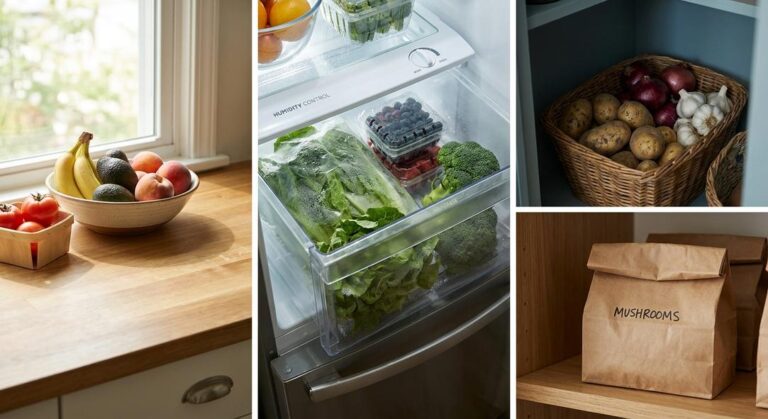
Storage matters. Use airtight containers where possible. Keep foods in cool, dry, dark spaces. Label purchases with dates, especially if you decant them into containers. Rotate older items forward. This is not fussy housekeeping; it is asset management with lentils. 🗂️
A practical starter pantry list for real life 🛒
A cost-effective pantry does not have to appear overnight. In fact, building it gradually is often wiser. Add one or two staples each shopping trip, especially when they are on sale. Over a few months, you will create a cushion that makes cooking cheaper and calmer.
Here is a practical starter list that balances value, nutrition, and flexibility:
- Rice
- Rolled oats
- Pasta
- All-purpose flour
- Dried lentils
- Dried or canned beans
- Canned tomatoes and tomato paste
- Canned tuna, sardines, or salmon
- Peanut butter
- Cooking oil
- Vinegar
- Soy sauce or another savory sauce
- Bouillon cubes, powder, or paste
- Salt, pepper, garlic powder, cumin, paprika, chili flakes, cinnamon
- Sugar, baking powder, baking soda, and yeast if you bake
- Popcorn kernels, tea, or another low-cost comfort item
This list is not sacred scripture. It is a blueprint. Adapt it to your culture, dietary needs, appliances, and appetite. A cost-effective pantry in Louisiana may look different from one in Leeds, Lagos, Manila, or rural Ontario. The principle is universal; the seasoning is personal. 🌍
The best way to stock up is to plan around meals you already like. If your household loves chili, prioritize beans, tomatoes, spices, and cornmeal. If you eat a lot of stir-fries, stock rice, soy sauce, oil, vinegar, noodles, and canned fish or tofu if shelf-stable options are available. If breakfast is the budget battlefield, oats, peanut butter, raisins, cinnamon, and powdered milk may deliver the biggest return.
Turning staples into meals without losing the will to cook 🍲
A pantry is only cost-effective if it becomes food. That sounds obvious until you meet the person who owns seven varieties of quinoa and still orders pizza twice a week because none of them resemble dinner at 6:15 p.m.
Think in templates rather than recipes. Templates reduce decision fatigue and help you improvise with what you have.
- Grain bowl: rice or another grain, beans or canned fish, vegetables, sauce, and something crunchy.
- Soup: onion or garlic if available, lentils or beans, canned tomatoes or broth, spices, and any vegetables on hand.
- Pasta dinner: pasta, tomato sauce or oil-based sauce, beans, tuna, greens, or leftover vegetables.
- Breakfast bowl: oats, peanut butter, fruit, cinnamon, seeds, or a spoonful of jam.
- Flatbread or pancake meal: flour-based batter or dough paired with eggs, beans, soup, or roasted vegetables.
Keep a few “bridge ingredients” around when possible: onions, garlic, carrots, cabbage, eggs, frozen vegetables, lemons, and plain yogurt. These are not all pantry items, but they connect shelf-stable staples to fresh, satisfying meals. Cabbage, for example, lasts a long time and can become slaw, stir-fry, soup, tacos, or a crisp counterpoint to beans and rice.
The pantry is not a museum of ingredients. It is a workshop. Things should move, combine, disappear, and return.
Cost-effective cooking is less about deprivation than rhythm. Cook a pot of beans. Use some for tacos, some for soup, some over rice, and freeze the rest. Make extra rice and turn leftovers into fried rice. Roast potatoes for dinner and crisp the remaining ones for breakfast. This is how a pantry stretches money without making every meal taste like repetition wearing a fake mustache. 🥸
The quiet power of being prepared 🌿
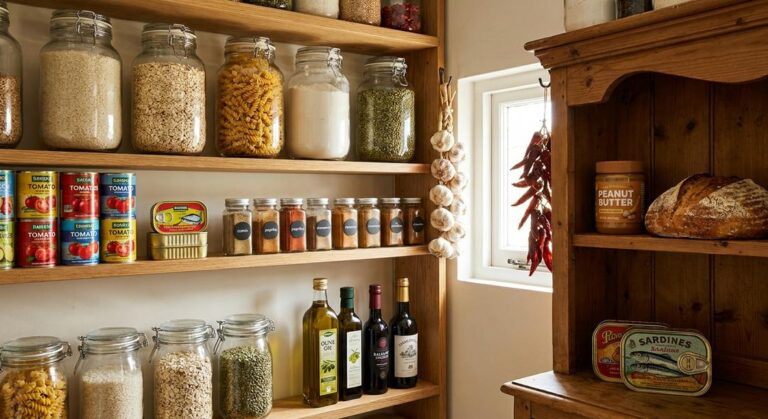
The most cost-effective pantry staples are not exotic. They are the sturdy citizens of the kitchen: rice, oats, beans, lentils, pasta, flour, tomatoes, oil, vinegar, spices, peanut butter, canned fish, and a few baking basics. Their virtue lies not merely in being cheap, but in being ready.
A well-stocked pantry gives you options when prices rise, schedules collapse, weather misbehaves, or energy runs low. It turns “there is nothing to eat” into “there is something we can make.” That sentence alone can save a household an astonishing amount of money over time.
Stock slowly. Store carefully. Cook what you buy. Replace what you use. Keep pleasure on the shelf alongside practicality. A pantry that feeds both budget and appetite is one of the most underrated financial tools in the home. It will not shout. It will not sparkle. It will simply be there, waiting, with dinner half-solved before you begin.
Frequently Asked Questions
What is the single most cost-effective pantry staple?
Rice is often the strongest all-around choice because it is inexpensive, filling, shelf-stable, and works with countless meals. That said, the best staple for you depends on what you actually eat. For some households, oats, lentils, pasta, or beans may deliver better everyday value.
Are dried beans always better than canned beans?
Dried beans are usually cheaper per serving, but canned beans save time and energy. If you cook often and can plan ahead, dried beans are excellent. If convenience keeps you from ordering takeout, canned beans may be the better bargain in real life.
How much pantry food should I keep on hand?
A sensible goal is one to four weeks of staple foods, depending on your space, budget, and household size. Start small: keep enough rice, pasta, beans, oats, canned tomatoes, oil, and seasonings to make several basic meals. Build gradually from there.
Is buying in bulk always cheaper?
No. Bulk buying only saves money if you use the food before it spoils or loses quality. It works best for foods you eat regularly, such as rice, oats, dried beans, lentils, and pasta. Be more cautious with oil, nuts, seeds, whole grain flour, and spices.
What pantry staples help avoid takeout?
Keep quick-cooking and ready-to-use items on hand: pasta, canned tomatoes, canned beans, rice, eggs if you use them, tuna or sardines, peanut butter, soy sauce, bouillon, and a few favorite spices. The easier it is to make a fast, satisfying meal, the less tempting takeout becomes.