⚡ Key Takeaways
- ✅ Fetch is the easiest receipt-scanning app for most grocery shoppers because nearly every receipt earns something.
- ✅ Ibotta usually offers the highest cash back, but it requires more planning before you shop.
- ✅ Checkout 51, Shopkick, Receipt Hog, CoinOut, and Pogo can add extra rewards with relatively little effort.
- ✅ The best strategy is stacking: scan the same eligible receipt into multiple apps when their rules allow it.
- ✅ Grocery receipt apps will not replace a budget, but they can quietly return $5 to $40 a month for consistent users.
- ✅ Privacy matters: these apps monetize purchase data, so read permissions and avoid linking accounts you do not need.
- ✅ The winning app depends on your shopping style: brand loyalists, bargain hunters, bulk buyers, and casual shoppers need different tools.
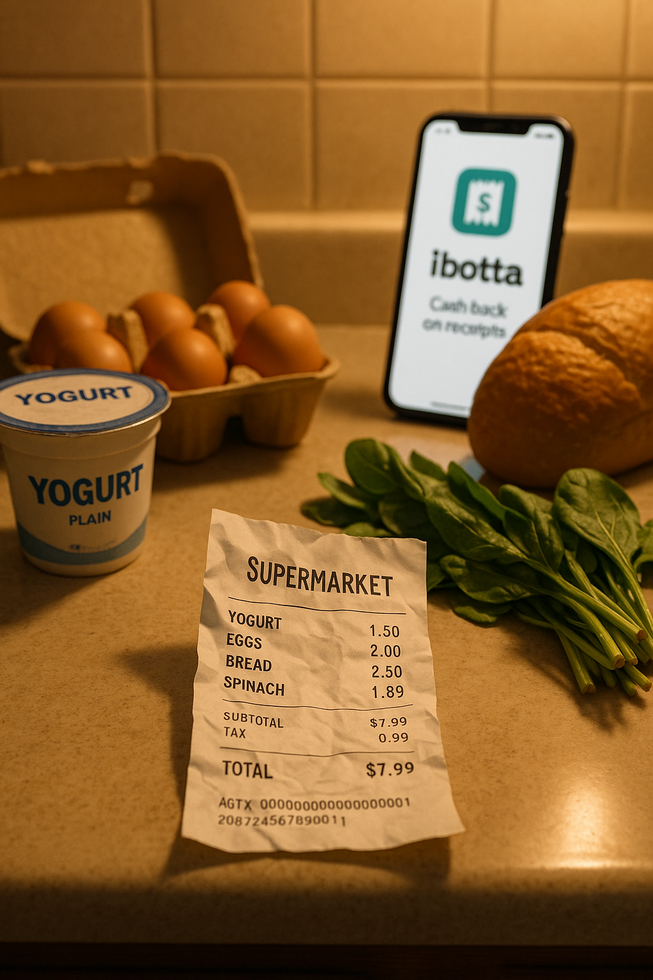
There is something faintly ridiculous about photographing a crumpled grocery receipt under the yellow glow of your kitchen light, hoping it will produce cash. It feels less like personal finance and more like a small domestic séance: summon the barcode, appease the algorithm, receive twenty-seven cents. 🧾
And yet, grocery receipt apps have become one of the more practical little economies hiding in plain sight. They sit at the intersection of couponing, market research, loyalty programs, and our collective desire to make the weekly grocery bill feel slightly less insulting. With food prices still capable of ambushing even the most disciplined shopper, the idea of getting money back for purchases you were already going to make has obvious appeal.
The catch, naturally, is that not all receipt-scanning apps are worth your time. Some are generous but fiddly. Some are easy but slow to pay. Some are less “cash back” than “eventually, after 600 scans, enjoy a gift card.” This guide sorts the genuinely useful apps from the clutter, explains who each one is best for, and offers a simple strategy for turning your receipts into a modest but satisfying stream of rewards. 💸
How Grocery Receipt Cash Back Apps Actually Work 🛒
Most grocery receipt apps are not charities with a passion for your yogurt preferences. They pay users because receipts contain valuable information: what people buy, where they buy it, how often they shop, which brands they prefer, and whether promotional offers actually move products off shelves.
In exchange for your receipt data, apps give you rewards in the form of points, cash, gift cards, sweepstakes entries, or rebates on specific items. The mechanics vary, but most apps fall into three broad categories:
- Any-receipt apps: These reward you for uploading almost any grocery receipt, though the payout per receipt is usually small.
- Offer-based apps: These provide higher cash back when you buy specific brands, products, or categories, often requiring you to activate the offer before shopping.
- Hybrid apps: These combine receipt scanning with loyalty card linking, surveys, in-store tasks, or digital purchase tracking.
The best users do not rely on one app. They build a tiny “receipt routine”: shop as usual, snap the receipt before it vanishes into the abyss of tote bags and car cupholders, and submit it to two or three apps where allowed.
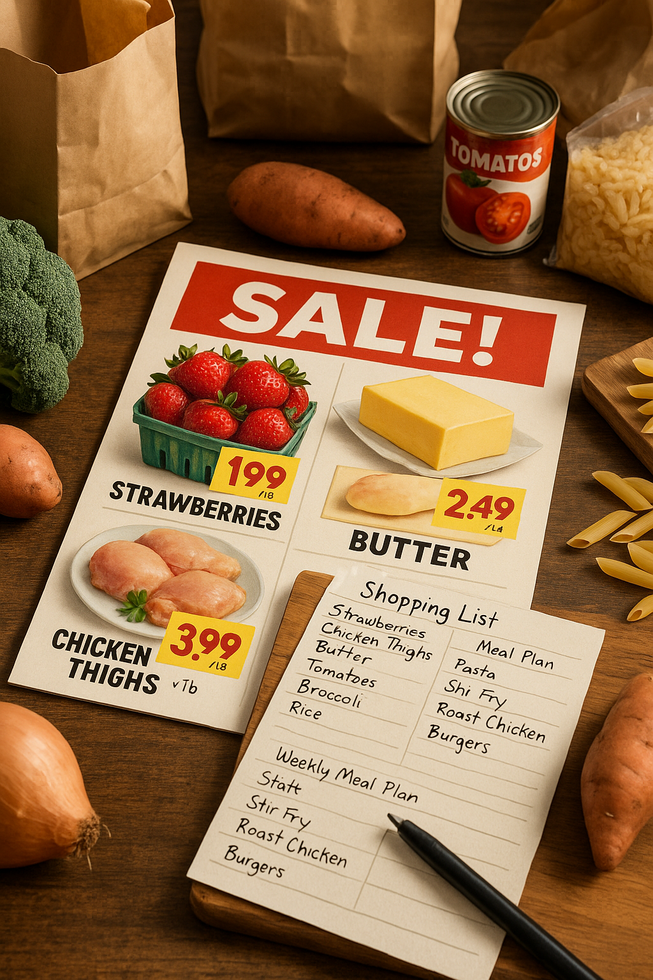
The smartest way to use receipt apps is not to chase every deal. It is to get paid for behavior you already have, without letting the app write your grocery list.
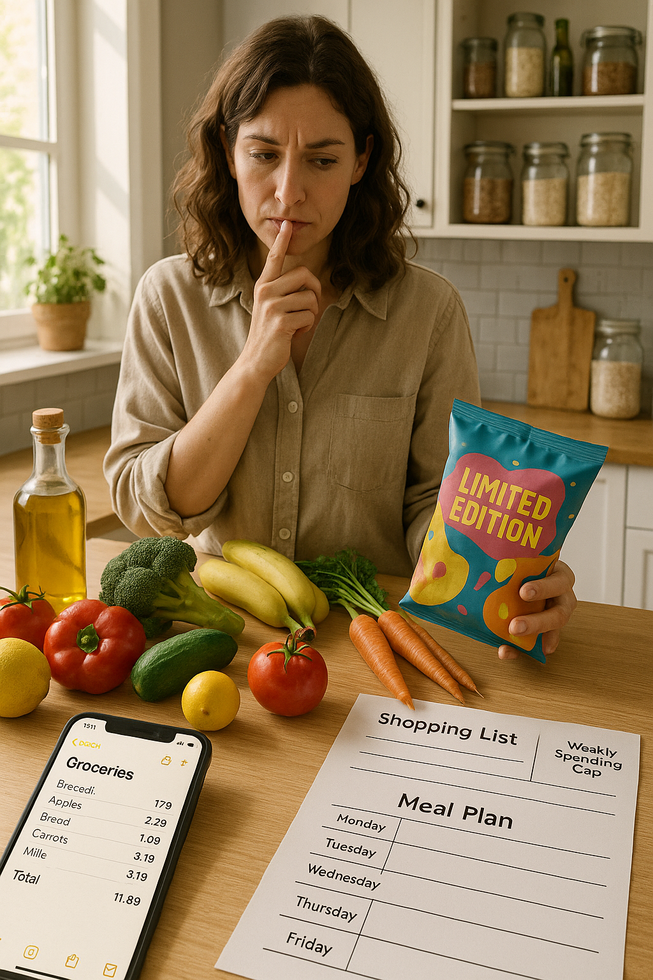
That last point matters. A $2 rebate on a snack you do not need is not savings; it is marketing wearing a fake mustache. The best cash back apps serve your grocery habits, not the other way around.
Best Overall: Fetch Rewards 🐕
If grocery receipt apps were judged by how little mental energy they require, Fetch would win in a landslide. Its great virtue is simplicity. You shop, scan your receipt, and earn points. You do not usually need to clip offers in advance, calculate obscure bonus combinations, or stand in the cereal aisle muttering like a tax attorney.
Fetch accepts receipts from grocery stores, supermarkets, convenience stores, warehouse clubs, liquor stores, pharmacies, and many big-box retailers. It also allows users to connect email or online shopping accounts to capture digital receipts, which is helpful if you order groceries for pickup or delivery.
Rewards are given as points, which can be redeemed for gift cards to popular retailers, restaurants, and services. Fetch often gives extra points for buying participating brands, but it still tends to reward regular receipts even when you buy nothing special.
Best for: People who want the easiest app and do not want to plan around rebates.
Strengths:
- Very easy to use and beginner-friendly.
- Works with many stores and receipt types.
- No need to preselect most offers.
- Good gift card redemption options.
- Reliable for casual, everyday grocery scanning.
Weaknesses:
- Base rewards for ordinary receipts can be modest.
- Best value often comes from buying partner brands.
- Redemptions are typically gift cards rather than direct bank cash.
Fetch is the app I would recommend to someone who says, “I know I should do something with these receipts, but I refuse to make grocery shopping my second job.” It is low friction, cheerful, and just rewarding enough to be habit-forming. 📱
Best for Bigger Cash Back: Ibotta 💵
Ibotta is the heavyweight of grocery cash back. It is also the app most likely to make you feel as if you have wandered into a miniature hedge fund devoted to condiments. The potential payouts are real, often better than competitors, but Ibotta asks more from you.
Instead of simply scanning any receipt and collecting small points, Ibotta revolves around specific offers. You browse rebates in the app, add the ones you want, buy the qualifying products, and then upload your receipt. At some retailers, you can link your loyalty account and skip the receipt scan, but the planning step remains central.
Ibotta shines when your grocery list overlaps with current offers. You may find cash back on dairy, snacks, pantry staples, frozen foods, beverages, personal care products, and household items. There are also occasional “any brand” offers, though they tend to be less common and less lucrative than brand-specific rebates.
Best for: Shoppers willing to check offers before going to the store.
Strengths:
- Often higher cash back than simpler receipt apps.
- Cash out options may include bank transfer, PayPal, or gift cards depending on account and location.
- Strong grocery coverage at major retailers.
- Can combine well with store sales and manufacturer coupons when allowed.
- Good bonuses for completing multiple offers.
Weaknesses:
- Requires more effort than Fetch.
- You usually need to add offers before submitting receipts.
- Brand-specific deals can tempt unnecessary purchases.
- Receipt matching can occasionally be fussy.
Ibotta is best treated like a pre-shopping tool. Open it before your grocery trip, add offers for items already on your list, and ignore the siren song of “limited-time” cash back on things you would not otherwise buy. 🧠
Ibotta can save real money, but only if you remain the editor of your shopping cart. The app may suggest; your budget must veto.
Best for Occasional Bonus Offers: Checkout 51 🧾
Checkout 51 is one of the older names in the receipt rebate world. Like Ibotta, it focuses on specific offers rather than rewarding every receipt generously. You select available offers, buy the products, upload your receipt, and receive cash back once the purchase is verified.
Its weekly offer structure makes it worth checking, especially if you buy national brands. Some weeks may feel thin; other weeks, you may find several rebates that match your household staples. It is less flashy than some newer apps, but there is virtue in that. Checkout 51 feels like the sensible aunt of receipt apps: not glamorous, but she remembers the coupons.
Best for: People who already use Ibotta and want another rebate source to check.
Strengths:
- Solid rebates on selected grocery and household products.
- Works across many stores, depending on the offer terms.
- Simple receipt upload process.
- Can be useful for stacking savings with sales when eligible.
Weaknesses:
- Not every receipt earns rewards.
- Offers can be limited or highly brand-specific.
- Cash-out threshold may require patience.
Checkout 51 is not necessarily the first app I would install, but it is a strong supporting player. If you enjoy a quick pre-shopping scan for rebates, it belongs in the rotation. 🔍
Best for Passive Receipt Rewards: Receipt Hog 🐷
Receipt Hog takes a more gamified approach. You upload receipts from grocery stores and many other retailers, earn coins, and redeem them for cash or gift cards. It also includes sweepstakes-style spins and occasional surveys, which may delight some users and mildly annoy others.
The appeal of Receipt Hog is that it rewards a broad range of receipts, not just grocery purchases. That makes it a decent catchall app. It is especially useful if you shop at a mix of supermarkets, convenience stores, drugstores, and general retailers.
Best for: People who want an easy place to send lots of different receipts.
Strengths:
- Accepts many types of receipts.
- Simple scanning process.
- Cash and gift card redemption options may be available.
- Gamified features make it more engaging than bare-bones apps.
Weaknesses:
- Earnings are usually slow.
- Some rewards are tied to spins or sweepstakes rather than guaranteed cash value.
- Heavy users may reach receipt limits.
Receipt Hog is best viewed as a background app. It will not make you rich, but it gives orphan receipts somewhere to go besides the bottom of your purse, where they slowly evolve into confetti. 🎟️
Best for In-Store Engagement: Shopkick 👟
Shopkick is not purely a grocery receipt app, but it deserves a place on this list because it rewards several shopping behaviors. You can earn “kicks” for walking into certain stores, scanning product barcodes, buying eligible items, and submitting receipts.
For grocery shoppers, the receipt-based rewards can be useful when offers align with your purchases. But Shopkick’s distinctive feature is that you can earn without always buying. If you do not mind scanning a few product barcodes while shopping, it can add a little extra value to routine errands.
Best for: Shoppers who enjoy earning points through in-store tasks.
Strengths:
- Multiple ways to earn, including walk-ins, scans, purchases, and receipts.
- Good for people who visit big-box stores and supermarkets regularly.
- Gift card rewards to popular retailers.
- Can be fun for shoppers who like scavenger-hunt-style tasks.
Weaknesses:
- Not as passive as simply scanning receipts.
- In-store scanning can become tedious.
- Availability depends heavily on participating stores and offers.
Shopkick is excellent if you like turning errands into a game. If you are the sort of person who wants to enter the store, buy the spinach, and escape civilization, it may test your patience. 🥬
Best Simple Backup Apps: CoinOut and Pogo 🪙
Some receipt apps are not stars, exactly, but useful understudies. CoinOut and Pogo fall into this category for many shoppers. They typically offer small rewards for uploading receipts or sharing transaction data, and they are most useful when paired with stronger apps like Fetch and Ibotta.
CoinOut became known for its simple receipt scanning: upload receipts, earn small amounts, and cash out once eligible. Pogo leans more into passive earning by allowing users to connect accounts and earn points on purchases, along with occasional receipt uploads and surveys.
Best for: People who want to squeeze extra value from receipts with minimal effort.
Strengths:
- Easy to use as secondary apps.
- May accept a variety of receipts or transactions.
- Can add incremental rewards on top of primary apps.
- Useful for shoppers who prefer low-effort routines.
Weaknesses:
- Rewards are generally modest.
- App features and earning rates may change over time.
- Passive account linking raises additional privacy considerations.
Think of these apps as the coins under the couch cushions of the receipt economy. Not glamorous, not life-changing, but oddly satisfying when they add up. 🙂
Best Grocery Cash Back Apps by Shopper Type 🧺
The “best” app depends less on abstract rankings and more on how you shop. A family buying brand-name pantry goods every week has different opportunities than a single shopper buying store-brand lentils with monastic discipline.
Here is a practical breakdown:
- Best for beginners: Fetch. It is fast, forgiving, and requires almost no strategy.
- Best for maximum cash back: Ibotta. Higher rewards are possible if you plan ahead.
- Best for stacking with Ibotta: Checkout 51. Check it weekly for overlapping grocery deals.
- Best for scanning many receipt types: Receipt Hog. It is a good general-purpose receipt collector.
- Best for shoppers who like tasks: Shopkick. It rewards barcode scans, walk-ins, and selected purchases.
- Best low-effort backup: CoinOut or Pogo. Use them after submitting receipts elsewhere.
- Best for online grocery shoppers: Fetch and Ibotta, especially when digital receipt linking is available.
For most people, the ideal setup is not twelve apps and a spreadsheet titled “Grocery Yield Optimization.” That way lies madness, or at least an unusually tense relationship with breakfast cereal. A sensible starter stack is Fetch plus Ibotta. Add Checkout 51 if you enjoy looking for rebates, then add one general receipt app if you are still motivated. 📊
How to Maximize Receipt App Earnings Without Losing Your Mind 🧠
The difference between earning pennies and earning meaningful rewards usually comes down to habits. The goal is to create a system so easy that you will actually keep doing it after the novelty wears off.
- Scan receipts the same day. Many apps have submission deadlines, and receipts have a mysterious talent for disappearing.
- Check Ibotta before shopping. Add offers for items already on your list, then ignore irrelevant temptations.
- Use Fetch for nearly every grocery receipt. It is the easiest default habit.
- Stack apps when allowed. The same receipt may be eligible for multiple apps, though individual product offers may have restrictions.
- Combine with store loyalty programs. Use supermarket digital coupons, sale prices, and receipt apps together when terms permit.
- Create a cash-out rule. Redeem rewards once you reach a practical threshold, rather than letting points sit indefinitely.
- Keep your expectations sane. Receipt apps are a discount layer, not a retirement plan.
A realistic user might earn $5 to $15 a month with casual scanning. A more strategic shopper who uses Ibotta offers, buys for a household, and stacks store sales might earn $20 to $40 or more in a good month. The high numbers you sometimes see online are usually from people who spend significant time planning deals, buying promotional products, or using referral bonuses.
The quiet triumph of receipt apps is not the occasional big rebate. It is the boring consistency of turning ordinary errands into small, repeatable savings.
That may not sound thrilling, but personal finance is mostly boring consistency. The glamorous parts are usually scams or involve yachts.
Privacy, Permissions, and the Price of “Free” Money 🔐
Receipt apps are useful, but they are not magic. You are being paid because your shopping data has value. That does not mean you should avoid these apps altogether; it means you should use them with open eyes.
Receipts can reveal more than people realize: preferred stores, household size, dietary habits, pet ownership, baby products, medications bought at drugstores, alcohol purchases, and brand loyalty. When you link email, loyalty cards, or bank accounts, you may provide even broader visibility into your spending life.
Before using any app, consider these privacy habits:
- Read the app’s privacy policy, especially how it shares or sells data.
- Use receipt scanning rather than account linking if you want less passive data access.
- Avoid giving unnecessary permissions, such as location access when it is not needed.
- Use a dedicated email address for shopping rewards if you prefer separation.
- Cash out regularly so rewards are not stranded if terms change.
- Delete apps you stop using and revoke linked account access where possible.
There is no need to be alarmist. Many people are perfectly comfortable exchanging purchase data for rewards, just as they do with store loyalty cards. But the bargain should be conscious. If an app gives you eighty cents and receives a detailed portrait of your pantry, it is fair to know who got the better deal. 🕵️
The Best Receipt App Strategy for Most People ✅
If you want a simple answer, here it is: start with Fetch and Ibotta. Fetch covers the easy, scan-anyway side of the equation. Ibotta covers the higher-value rebate side. Together, they offer the best balance of effort and reward for most grocery shoppers.
If you are willing to do a little more, add Checkout 51 for weekly offer comparisons. If you want a place for extra receipts, add Receipt Hog. If you enjoy interactive earning, add Shopkick. If you are determined to wring every last drop from the receipt, experiment with CoinOut or Pogo as backups.
A practical weekly routine might look like this:
- Before shopping, open Ibotta and Checkout 51 to add offers for items already on your list.
- Use store loyalty coupons and sale prices as usual.
- After checkout, take a clear photo of the full receipt.
- Submit first to offer-based apps while the purchase is fresh.
- Submit to Fetch and any general receipt apps afterward.
- Redeem rewards once you reach a useful amount, such as $10, $20, or $25.
The best app is the one you will actually use. A perfectly optimized system abandoned after nine days is less valuable than a simple two-app routine you keep for a year. Grocery savings are not won by heroic gestures. They are won by small, repeatable acts performed while the ice cream is still in danger of melting. 🍦
Final Verdict: Small Money, Real Money 🌱
Receipt-scanning apps occupy a humble corner of the personal finance world. They will not rescue a reckless budget or neutralize a cart full of impulse buys. But used wisely, they can soften the grocery bill’s sharp edges.
Fetch is the best everyday choice because it is easy and broadly useful. Ibotta is the best for shoppers who want larger rebates and are willing to plan. Checkout 51 is a strong companion for offer hunters. Receipt Hog, Shopkick, CoinOut, and Pogo can round out a receipt routine depending on your patience and privacy comfort.
The trick is to remember who is in charge. Use the apps to reward purchases you already intended to make. Ignore offers that distort your list. Cash out when you can. And the next time a cashier hands you a receipt long enough to qualify as a novella, do not sigh. That little paper scroll may still have a few cents left in it. 🧾
FAQ 🙋
Which receipt app gives the most cash back for groceries?
Ibotta usually offers the highest potential cash back because its rebates are tied to specific products and brands. However, it requires more planning than apps like Fetch. For many shoppers, the best approach is to use Ibotta for larger rebates and Fetch for easy everyday receipt scanning.
Can I scan the same grocery receipt on multiple apps?
Often, yes. Many shoppers submit the same receipt to Fetch, Ibotta, Receipt Hog, Checkout 51, or other apps. However, individual offers may have restrictions, especially if a manufacturer rebate cannot be combined with another promotion. Always check the terms inside each app.
Are grocery receipt apps worth it?
They are worth it if you keep the process simple and avoid buying things just because they have rebates. Casual users may earn a few dollars a month, while strategic users can earn more by combining app offers with sales and store loyalty programs.
Do receipt apps pay real cash or only gift cards?
It depends on the app. Ibotta may offer cash-out options such as PayPal or bank transfer, while Fetch primarily focuses on gift cards. Receipt Hog, CoinOut, and others may offer cash or gift card options depending on current policies and your location.
What is the easiest grocery receipt app for beginners?
Fetch is generally the easiest app for beginners because you can scan most grocery receipts without selecting offers in advance. It is not always the highest-paying app, but it is one of the simplest to use consistently.