⚡ Key Takeaways
- ✅ A freezer can save money, but only if you regularly buy discounted food, cook at home, and avoid waste.
- ✅ The biggest savings usually come from meat, frozen produce, bread, prepared meals, and seasonal bulk purchases.
- ✅ Upfront cost, electricity use, maintenance, and the value of floor space must be included in the math.
- ✅ Chest freezers are typically more energy-efficient than upright freezers, though less convenient.
- ✅ A freezer pays off fastest for families, hunters, gardeners, meal preppers, and bargain shoppers.
- ✅ It can lose money if it becomes a frosty museum of forgotten soup, mystery meat, and good intentions.
- ✅ The real secret is not owning a freezer; it is managing it like a small, cold pantry.
Buying a freezer sounds like one of those sensible adult decisions, somewhere between checking your tire pressure and finally reading your insurance policy. It promises thrift, preparedness, fewer grocery runs, and the quiet satisfaction of knowing there is chili somewhere in the house at all times. 🧊
But does buying a freezer for bulk food storage actually save money in the long run, or is it merely a humming appliance full of discounted chicken thighs and misplaced optimism?
The answer is wonderfully unsentimental: yes, a freezer can save money, but not automatically. A freezer is not a money-saving device in the same way a coupon is not a retirement plan. It is a tool. Used well, it can reduce food costs, cut waste, and help you dodge inflated convenience prices. Used poorly, it becomes an electric archive of freezer-burned regret.
Let us open the lid, peer through the fog, and do the math.
The Basic Economics of a Freezer 🧮
At its simplest, a freezer saves money when the value of the food savings exceeds the cost of owning and operating the appliance. That sounds tidy enough, though life, as usual, insists on adding crumbs.
The main costs are:
- Purchase price: often anywhere from modest to mildly alarming, depending on size and style.
- Electricity: modern freezers are more efficient than older ones, but they still sip power every day.
- Maintenance and repairs: usually low, but not nonexistent.
- Floor space: not a line item on your bank statement, but very real if you live in a small home.
- Food lost to poor organization: the silent assassin of freezer economics.
The main savings are:
- Buying meat, fish, butter, bread, and produce when prices drop.
- Taking advantage of warehouse-store quantities without letting food spoil.
- Batch cooking instead of buying takeout or convenience meals.
- Preserving garden harvests or seasonal produce.
- Reducing emergency grocery trips, where discipline often goes to die near the snack aisle.
A freezer does not save money because it is cold. It saves money because it gives you time: time to buy low, cook ahead, and use food before it spoils.
That time-shifting ability is the heart of the matter. Grocery prices rise and fall. Your appetite is less cooperative. A freezer lets you separate the moment you buy food from the moment you eat it, and that can be financially powerful.
What It Really Costs to Own One 💸
A freezer’s price tag is only the opening bid. To understand whether it will pay for itself, you need to estimate the full annual cost.
Let us use a realistic example. Suppose you buy a mid-size chest freezer for $350. If it lasts 10 years, the purchase cost averages $35 per year. Electricity might cost $35 to $80 per year, depending on the model, local electricity rates, temperature of the room, and how often the lid is opened by someone “just checking.”
So your annual ownership cost might look roughly like this:
- Purchase cost spread over 10 years: $35 per year
- Electricity: $50 per year
- Occasional maintenance or risk allowance: $15 per year
- Total estimated annual cost: about $100 per year
This means your freezer needs to save roughly $100 per year just to break even. That is less intimidating than it sounds. Saving $8 to $9 per month can cover the cost. One avoided pizza delivery, one smart meat sale, or a few rescued leftovers can do it.
But the catch is consistency. A freezer does not save $100 annually by existing majestically in the basement. It must be used with intention.
Where the Savings Actually Come From 🥩
The most obvious savings come from bulk buying, but “bulk” is not magic. A five-pound bag of something you will not eat is not thrift; it is clutter with nutritional information.
The best freezer savings usually come from categories with big price swings or short fresh shelf lives.
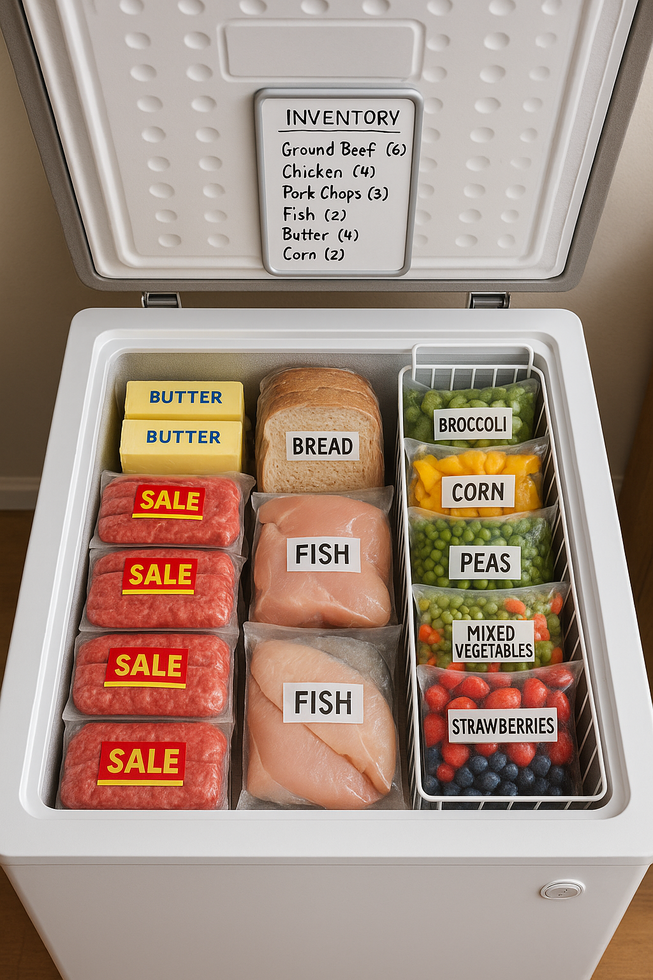
- Meat and poultry: Chicken, beef, pork, and ground meat often go on sale, and freezing allows you to buy enough to matter.
- Fish and seafood: Prices can be high, but frozen storage lets you buy during promotions.
- Bread and baked goods: Bread freezes beautifully and can prevent frequent small purchases.
- Butter and cheese: When prices dip, freezing can help buffer your household against future increases.
- Fruit and vegetables: Seasonal produce can be frozen at peak quality and lower cost.
- Prepared meals: Soups, stews, casseroles, sauces, burritos, and cooked grains can replace pricier convenience foods.
Consider a family that buys 20 pounds of chicken during a sale at $1.99 per pound instead of the usual $3.49. That saves $30 in one purchase. Do that a few times a year, and the freezer begins to earn its keep.
Or take batch cooking. If having homemade lasagna, curry, or soup in the freezer prevents two takeout meals a month, the savings can dwarf the electricity cost. This is where the freezer stops being a storage box and becomes a quiet accomplice in better habits. 🍲
The most profitable freezer is not necessarily the fullest one. It is the one stocked with food you would otherwise buy later at a higher price, or replace with something more expensive.
Chest Freezer or Upright Freezer? The Practical Choice ⚖️
The two common types are chest freezers and upright freezers. Both can save money, but they suit different temperaments.
Chest freezers are generally more energy-efficient because cold air stays inside when the lid opens. They also tend to offer more usable space for the price. Their great flaw is that they can become archaeological sites. Somewhere beneath the peas lies a pork roast from a previous era.
Upright freezers are easier to organize. Shelves and door compartments make it simpler to see what you have. They often cost more to run and may provide less storage for the same footprint, but the convenience can prevent waste.
In other words, the best freezer is not simply the cheapest or most efficient. It is the one you will actually manage.
- Choose a chest freezer if you prioritize efficiency, capacity, and lower upfront cost.
- Choose an upright freezer if visibility and organization are your biggest concerns.
- Choose a smaller model if your household is small or your shopping habits are irregular.
- Avoid buying the largest freezer available simply because it feels like a bargain bunker.
Size matters. Too small, and you cannot take advantage of meaningful deals. Too large, and you may fill it with food simply because space exists. Nature abhors a vacuum; so does a bargain shopper.
The Break-Even Question: How Long Until It Pays for Itself? ⏳
The break-even point depends on your savings rate. If your freezer costs $350 and you spend $50 per year on electricity, the first-year cost is about $400. After that, the annual cost might be closer to $50 to $100.
Here is a simple way to think about it:
- Estimate the purchase price of the freezer.
- Add one year of electricity.
- Estimate monthly food savings from bulk buying, meal prep, and reduced waste.
- Divide the total first-year cost by monthly savings.
If a freezer costs $400 in the first year and saves you $25 per month, it pays for itself in about 16 months. If it saves $10 per month, the break-even point is closer to 40 months. If it saves nothing because it contains only three popsicles and a heroic bag of ice, the break-even point is best described as “never.”
For many households, realistic monthly savings may fall between $15 and $60. Families who cook frequently and buy sale meat in quantity may land at the higher end. Single people who eat out often may see less benefit, though they can still save through meal prep.
The freezer is most likely to pay off quickly if you already have habits that support it: menu planning, cooking at home, watching prices, labeling food, and eating leftovers without treating them like punishment.
The Hidden Risk: Freezer Waste 🧊
The case against buying a freezer is not really about electricity. It is about human nature.
Food waste can quietly devour the savings. People freeze things with noble intentions. Leftover stew. Half a roast. Bananas for “future smoothies.” Then months pass. The food migrates downward and backward. Frost gathers. Labels fade. Eventually, the item becomes less a meal than a riddle.
Freezer burn is not usually dangerous, but it damages texture and flavor. A freezer full of technically edible but emotionally unappealing food is not much of a financial victory.
To prevent waste, use a simple system:
- Label everything with the item and date.
- Freeze in portions your household will actually use.
- Keep an inventory on paper, a phone note, or a whiteboard.
- Practice first in, first out so older food gets used before newer food.
- Schedule freezer meals into your weekly plan instead of waiting for inspiration.
- Use proper packaging such as freezer bags, vacuum-sealed bags, or airtight containers.
A freezer without labels is not storage. It is suspense.
Organization is not decorative here; it is financial. Every forgotten container is a tiny leak in the budget.
Who Benefits Most From a Freezer? 🏡
Some households are practically designed to benefit from an extra freezer. Others may find it useful but less transformative.
You are more likely to save money if you are:
- A family household with steady demand for staples and meals.
- A meal prepper who cooks large batches and actually eats them.
- A gardener with seasonal produce to preserve.
- A hunter or fisher storing large amounts of meat or fish.
- A warehouse club shopper who can divide and freeze bulk purchases.
- A bargain watcher who knows normal prices and can recognize true discounts.
- Someone with dietary needs who benefits from keeping special foods on hand.
You may save less if you rarely cook, dislike leftovers, live alone with limited storage needs, or tend to buy aspirational food. Aspirational food is the quinoa of the soul: virtuous at purchase, ignored at dinner.
That does not mean a single-person household cannot benefit. A small freezer can be excellent for storing homemade soups, sale items, bread, berries, and individual portions. But the appliance should match the life, not the fantasy version of it.
When a Freezer Does Not Save Money 🚫
There are situations where buying a freezer is unlikely to pay off. The clearest warning sign is buying one without a plan.
A freezer may not save money if:
- You do not track what is inside.
- You buy bulk foods your household does not finish.
- You regularly lose food to freezer burn.
- Your electricity rates are very high and the freezer is inefficient.
- You place it in a very hot garage, making it work harder.
- You use it mostly for luxury extras rather than replacing regular grocery spending.
- You buy more food overall because having storage makes spending feel justified.
That last point matters. Storage can encourage overbuying. A sale is only a sale if it replaces future spending. If you buy extra food and still spend the same amount next month, the freezer has not saved money. It has simply expanded your pantry’s real estate.
There is also the risk of power outages. If you live in an area with frequent outages, consider whether you need a thermometer, backup power, or a plan for using food quickly. A full freezer can stay cold for a surprisingly long time if kept closed, but “surprisingly long” is not the same as forever.
How to Make a Freezer Pay for Itself Faster 🚀
If you decide to buy a freezer, the goal is to turn it into a disciplined little savings machine. This does not require spreadsheets worthy of a finance department, though some people will enjoy that, and we salute them from a safe distance.
Try these practical habits:
- Know your prices. Track the normal cost of meat, butter, bread, and other staples so you recognize a real deal.
- Buy with meals in mind. Do not freeze ingredients unless you know how they will become dinner.
- Portion before freezing. Divide large packages into usable sizes immediately.
- Label with dates. Future you is clever, but not clairvoyant.
- Keep an inventory. Update it when you add or remove food.
- Plan one freezer meal each week. This keeps food moving.
- Leave some empty space. Flexibility allows you to grab bargains when they appear.
It also helps to treat the freezer as part of your grocery budget, not as a separate universe. Before shopping, check it. Before ordering takeout, check it. Before declaring there is “nothing to eat,” check it twice, because there is probably soup.
The freezer’s greatest financial trick is turning a good shopping decision into several cheaper meals later.
So, Does It Save Money in the Long Run? ✅
For many households, yes. Buying a freezer for bulk food storage can save money in the long run, especially if you cook regularly, buy staples on sale, and manage the contents carefully. The savings do not come from the appliance alone. They come from the system around it.
A freezer is most financially useful when it supports habits you already have or genuinely want to build: cooking at home, planning meals, preserving food, and buying strategically. It is less useful when it becomes a monument to impulse purchases.
If your household can save even $15 to $25 per month through bulk buying, fewer wasted groceries, and less takeout, a freezer can pay for itself within a few years. If you save more, it can pay off much sooner. After that, the ongoing annual cost is often modest, particularly with an efficient model.
The wisest approach is to buy the smallest freezer that reasonably fits your needs, choose an energy-efficient model, and start with a clear plan. The freezer should serve your grocery strategy, not inspire a new personality overnight.
In the end, a freezer is a bit like a library card. It offers tremendous value to the person who uses it regularly. To everyone else, it mostly just sits there, quietly judging.
FAQ ❄️
How much money can a freezer save per year?
Many households may save anywhere from $100 to $600 per year, depending on cooking habits, grocery prices, bulk buying, and how well food waste is controlled. The biggest savings usually come from sale-priced meat, batch cooking, and avoiding takeout or convenience meals.
Is a chest freezer cheaper to run than an upright freezer?
Usually, yes. Chest freezers tend to be more energy-efficient because cold air stays inside when the lid is opened. Upright freezers are often easier to organize, though, which can reduce forgotten food. The best choice depends on whether efficiency or convenience matters more in your household.
What size freezer is best for saving money?
The best size is the one you can keep reasonably full and well organized. A small household may only need a compact freezer, while a family or serious meal prepper may benefit from a medium chest freezer. Buying too large can encourage overbuying and waste.
Does freezer burn make food unsafe?
Freezer burn usually affects quality rather than safety. Food with freezer burn may taste dry, tough, or bland, but it is generally safe if it has remained properly frozen. Good packaging, portioning, and rotation help prevent it.
What foods are most worth freezing to save money?
Meat, poultry, fish, bread, butter, shredded cheese, berries, seasonal vegetables, soups, stews, sauces, casseroles, and cooked grains are often excellent candidates. The best foods to freeze are the ones your household already eats and would otherwise buy at higher prices later.