⚡ Key Takeaways
- ✅ Shop your pantry first to prevent buying duplicates and reduce waste
- ✅ Plan 3-4 dinners (not 7) and choose meals that share ingredients
- ✅ Know the baseline prices of your staples to spot real bargains
- ✅ Buy ingredients instead of pre-cut convenience foods
- ✅ Use your freezer as a savings account for bulk buys and leftovers
- ✅ Switch to store brands for staples — the quality gap has closed
- ✅ Shop less often, always with a list, and never hungry
The Grocery Bill Is Not a Moral Failing 🛒
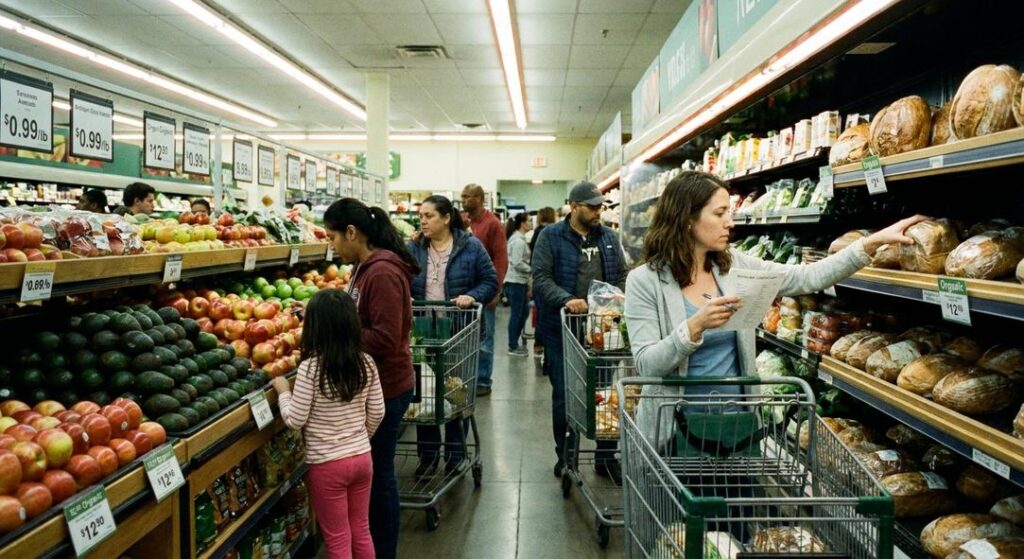
There is a particular kind of modern heartbreak that happens under fluorescent lights: you enter the supermarket for “just a few things” and leave wondering whether the avocados were priced by jewelers. Grocery prices have a way of making even sensible adults feel ambushed, as if a loaf of bread and a carton of eggs have formed a small but determined conspiracy.
Coupons can help, of course, but they are not everyone’s sport. Some people find them tedious, others forget them at home, and many discover that coupons often whisper us into buying things we never wanted in the first place. The good news is that saving money on groceries does not require a binder, scissors, or a heroic tolerance for fine print. It requires habits, a little strategy, and the willingness to treat the supermarket less like a treasure hunt and more like a place designed to separate you from your paycheck.
Key insight: The cheapest grocery strategy is not finding more discounts. It is buying fewer mistakes.
Start With the Pantry, Not the Store 🥫
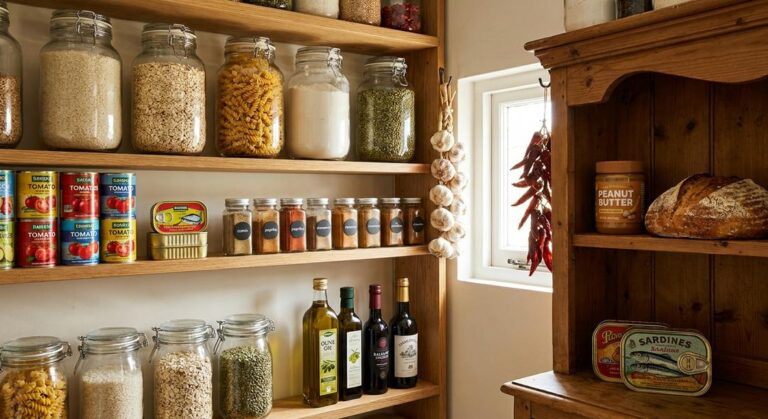
Before you make a shopping list, open your cabinets, refrigerator, and freezer. This sounds embarrassingly obvious, which is precisely why it works. Most households are not empty when they go grocery shopping; they are merely uninspired. A half-bag of lentils, frozen spinach, rice, pasta, oats, canned tomatoes, and a jar of peanut butter may not look glamorous, but they are the bones of several meals.
Shopping your kitchen first prevents the most common grocery waste: buying duplicates while older food quietly ages into archaeology. It also turns planning from an abstract exercise into a practical one. Instead of asking, “What do I feel like eating this week?” ask, “What can I build from what I already own?” That small shift can save real money.
- Check the freezer for proteins, vegetables, bread, and leftovers.
- Scan the pantry for grains, beans, pasta, sauces, and canned goods.
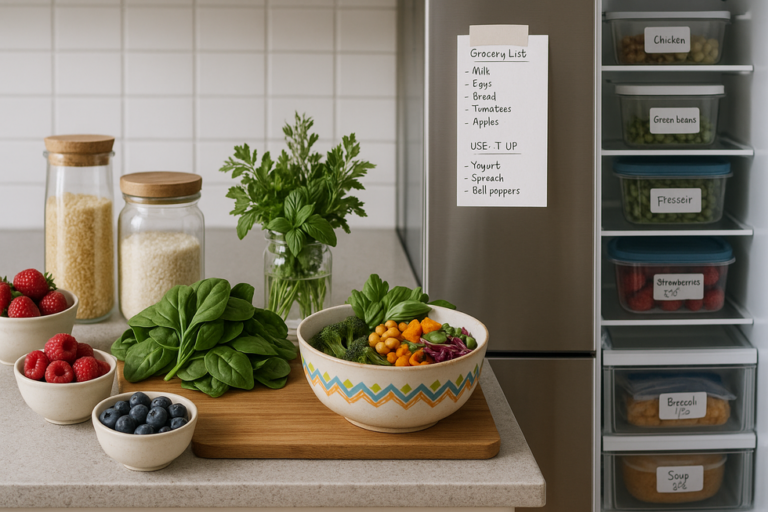
- Look for perishable items that need using first: herbs, greens, yogurt, fruit, opened jars.
- Write meals around these ingredients before adding anything new to the list.
Plan Meals, But Do Not Become a Prisoner of the Plan 📋
Meal planning has a reputation for being grim, as though dinner must be scheduled with the emotional warmth of a tax audit. It need not be so. A useful meal plan is not a rigid commandment; it is a map. You can still take a scenic detour. The goal is to reduce the number of nights when you stare into the fridge, lose faith in civilization, and order takeout.
Plan three or four dinners, not seven. Leave room for leftovers, improvisation, and the inevitable evening when everyone wants toast. Choose meals that share ingredients. If you buy cilantro for tacos, use the rest in rice bowls or soup. If you roast a chicken, plan for sandwiches, stock, or a second meal with the leftovers. The point is not culinary perfection. The point is continuity.
“The most economical cooks are not necessarily the most frugal,” says a veteran home economist. “They are the ones who create a second meal while making the first.”
Build Your List Like a Defense Strategy 🛡️
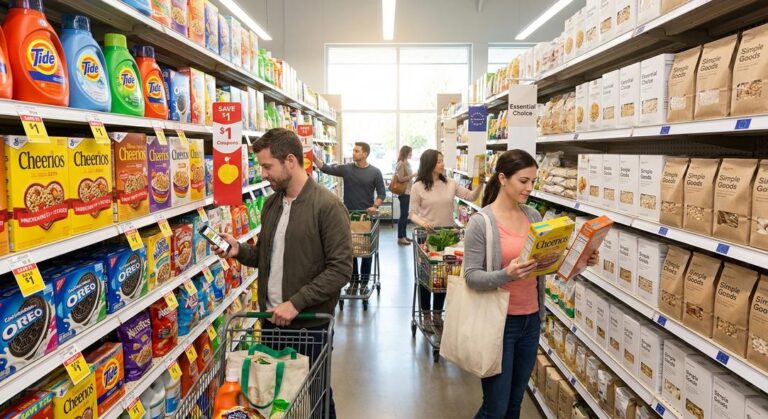
A grocery list is not a polite suggestion. It is a barrier between your budget and the seductive nonsense of the snack aisle. Supermarkets are engineered environments: the lighting flatters produce, the bakery smells like comfort, and the end-cap displays imply urgency where none exists. A list gives you a fighting chance.
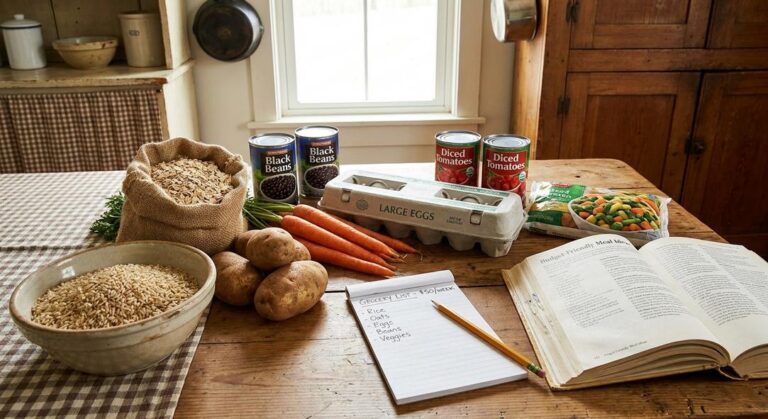
Organize your list by store section: produce, dairy, proteins, pantry, frozen, household. This reduces wandering, and wandering is expensive. Add quantities where possible. “Cheese” is a vague desire; “one block of cheddar” is a decision. If you shop with family, especially children or hungry adults, the list also becomes a diplomatic document. If it is not on the list, it requires a hearing.
- Write the list after checking what you already have.
- Group items by aisle or category.
- Include meal-specific ingredients and household staples.
- Choose one or two flexible treats so the plan does not feel punitive.
Know the Prices of Your Staples 💸
You do not need to memorize the price of every item in the store. That way madness lies. But you should know the usual prices of what you buy often: milk, eggs, bread, chicken, apples, rice, pasta, coffee, yogurt, cereal, beans, and your household’s particular weaknesses. This knowledge is more powerful than coupons because it helps you recognize a genuine bargain from a supermarket stage trick.
Many stores advertise “specials” that are not especially special. A bright sign can make an ordinary price look like a parade. Keep a simple note on your phone with baseline prices. Over time, you will learn when to buy, when to wait, and when a “family pack” is just a large container of financial overconfidence.
- Unit prices matter more than package prices.
- Compare price per ounce, pound, liter, or serving.
- Bigger is not always cheaper, especially if you throw half away.
- Sales are useful only when they match food you actually use.
Buy Ingredients, Not Edible Convenience ⏱️
Convenience has a price tag, and it is often surprisingly bold. Pre-cut fruit, shredded cheese, seasoned rice packets, individual snack packs, bottled smoothies, chopped vegetables, and frozen meals can all be useful in the right moment. But if they dominate your cart, your grocery bill will behave like it has joined a luxury club.
Buying ingredients instead of heavily prepared foods shifts labor back to your kitchen, which is not always possible or desirable. The trick is to choose your conveniences deliberately. If chopped salad kits help you eat vegetables instead of ordering pizza, they may be worth it. But paying extra for five tiny bags of crackers when a large box and reusable containers would do the job is the sort of small leak that sinks budgets quietly.
Key insight: Pay for convenience where it prevents waste or takeout. Avoid it where it merely repackages food into smaller, pricier costumes.
Let Cheaper Proteins Do Their Honorable Work 🫘
Protein is often the most expensive part of the grocery cart, especially if every dinner begins with meat. Reducing costs does not require becoming a monk of lentils, though lentils have done nothing to deserve their dull reputation. It simply means diversifying.
Eggs, beans, chickpeas, lentils, tofu, canned fish, yogurt, peanut butter, and whole grains can stretch or replace pricier proteins. A pound of ground beef can become two meals when mixed with beans, mushrooms, or cooked lentils. Chicken thighs are often cheaper and more flavorful than boneless breasts. Canned tuna or sardines can make quick lunches. Beans, seasoned well, are not a compromise; they are cuisine.
- Add black beans to taco meat.
- Use lentils in soups, sauces, and shepherd’s pie.
- Make fried rice with eggs and leftover vegetables.
- Choose bone-in cuts when you have time to cook them.
- Use yogurt, eggs, or cottage cheese for inexpensive breakfasts.
Respect the Freezer, That Cold Little Savings Account ❄️
The freezer is where good intentions go either to thrive or to disappear under frost like ancient ruins. Used well, it is one of the best tools for saving money without clipping a single coupon. It lets you buy in reasonable bulk, preserve leftovers, rescue produce, and maintain a small emergency supply of meals for nights when cooking feels like a personal insult.
Freeze bread before it molds. Freeze cooked rice in portions. Freeze herbs in oil or water. Freeze leftover soup, tomato paste, cooked beans, muffins, meat, and stock. Label everything with the date, because optimism is not a food safety system. A freezer full of mystery containers is not abundance; it is suspense.
- Keep a freezer inventory on paper or in your phone.
- Freeze foods in meal-sized portions.
- Use flat freezer bags for soups, sauces, and cooked grains to save space.
- Plan one “freezer dinner” each week to rotate supplies.
Reduce Food Waste Like It Is a Bill You Can Cancel 🍋
Food waste is grocery spending in disguise. Every slimy bag of lettuce and forgotten container of leftovers is money leaving the house with a faint smell. The solution is not guilt; guilt is a poor cook. The solution is visibility and routine.
Keep perishable foods where you can see them. Put leftovers at eye level. Create a “use first” area in the fridge for foods nearing the end of their useful lives. Wash and store greens properly. Move fruit that is ripening too quickly into smoothies, baked goods, sauces, or the freezer. The oldest trick in the frugal kitchen is also the most elegant: soup. Soup forgives tired vegetables, leftover grains, small amounts of meat, and the last spoonfuls of sauces.
- Turn stale bread into croutons, breadcrumbs, or French toast.
- Use vegetable scraps for stock.
- Blend soft fruit into smoothies or sauces.
- Make a weekly leftovers lunch or “clean-out-the-fridge” dinner.
Choose Store Brands Without Apology 🏷️
Brand loyalty is expensive, and in many cases it is built less on taste than on memory, advertising, and the comforting illusion that familiar packaging loves us back. Store brands have improved dramatically, and for staples they are often nearly indistinguishable from national brands.
Start with low-risk swaps: flour, sugar, oats, rice, pasta, canned tomatoes, frozen vegetables, spices, baking supplies, beans, vinegar, paper goods, and basic dairy. If your family revolts over a particular cereal or coffee, fair enough. Frugality should not require daily mutiny. But test store brands one category at a time. Many will quietly become your new normal.
“A household can save significantly simply by removing the premium paid for packaging and advertising,” notes a consumer spending analyst. “The product inside is often remarkably similar.”
Shop Less Often, and Shop With a Full Stomach 🚶
Every trip to the store is an opportunity to spend more than planned. This is not a character flaw; it is a retail design feature. Reducing shopping frequency reduces temptation. If you currently shop four times a week, try two. If you shop twice, try once with a small midweek produce stop only if necessary.
Also, eat before you go. Shopping hungry turns ordinary food into prophecy. Crackers gleam. Rotisserie chickens sing. A family-size tub of chocolate-covered almonds begins to seem like a practical staple. A banana, a sandwich, or a handful of nuts before shopping can prevent the most dramatic acts of cart-based emotion.
- Set a regular shopping day.
- Use pickup if wandering aisles leads to impulse buys.
- Avoid shopping when tired, rushed, or very hungry.
- Bring a list and give yourself a spending ceiling.
Pay Attention at Checkout 🧾
The final moments of grocery shopping are not ceremonial; they are financial. Watch prices as items scan, especially sale items, produce, and bulk goods. Mistakes happen. Promotions do not always apply correctly. If something rings up wrong, ask politely. You are not being difficult; you are participating in arithmetic.
Afterward, glance at the receipt. This is where patterns reveal themselves. You may discover that snacks are eating the budget, drinks cost more than expected, or one specialty item has been masquerading as harmless. Receipts are household anthropology. They show what you value, what you forget, and what you might change.
Key insight: A grocery receipt is not just proof of purchase. It is a map of your habits.
The Best Savings Feel Almost Boring 🌱
Saving money on groceries without coupons is not about deprivation. It is about removing chaos from a recurring expense. The most effective methods are not glamorous: check the pantry, make a list, compare unit prices, buy ingredients, use leftovers, freeze what you cannot eat, and stop paying extra for packaging that flatters you.
These habits do not produce the theatrical thrill of handing over a stack of coupons while the cashier applauds. They work more quietly. A few dollars saved on each trip becomes hundreds over a year. A meal rescued from leftovers prevents a delivery order. A freezer stocked with practical food turns a hectic evening into dinner instead of surrender.
The supermarket will always be a place of temptation. There will always be a new flavor, a clever display, a jar of something imported and unnecessary calling your name in a persuasive accent. But with a little planning and a sharper eye, you can leave with what you need, spend less than you feared, and preserve both your budget and your dignity. That, in the current grocery climate, is no small victory.
Frequently Asked Questions ❓
How much can I realistically save on groceries without coupons?
Most households can save 15-30% on their grocery bill by adopting these habits consistently. The biggest savings come from reducing food waste, switching to store brands, and shopping less frequently. A family spending $800/month could save $120-$240 monthly.
Is meal planning really worth the effort?
Yes. Meal planning reduces impulse purchases, minimizes food waste, and eliminates the expensive habit of ordering takeout when you have no dinner plan. Even planning just 3-4 dinners per week can save $50-100 per month.
Are store brands actually the same quality as name brands?
In many cases, yes. Store brands are often manufactured by the same companies that produce name brands. For staples like flour, sugar, rice, pasta, and canned goods, the difference is minimal or nonexistent. Start with low-risk categories and test from there.
What is the single most effective grocery saving habit?
Shopping your pantry and freezer before making a list. This one habit prevents duplicate purchases, reduces food waste, and forces you to use what you already have — the most cost-effective food in your kitchen is the food you have already bought.
Does buying in bulk actually save money?
Only if you will actually use what you buy. Bulk purchases save money per unit, but if half the food goes bad before you finish it, you have lost money. Use your freezer, buy bulk only for shelf-stable staples, and split large purchases with family or friends when possible.